“Go practice math” is too big.
It sounds endless. It gives the child no shape, no finish line, and no reason to begin right now.
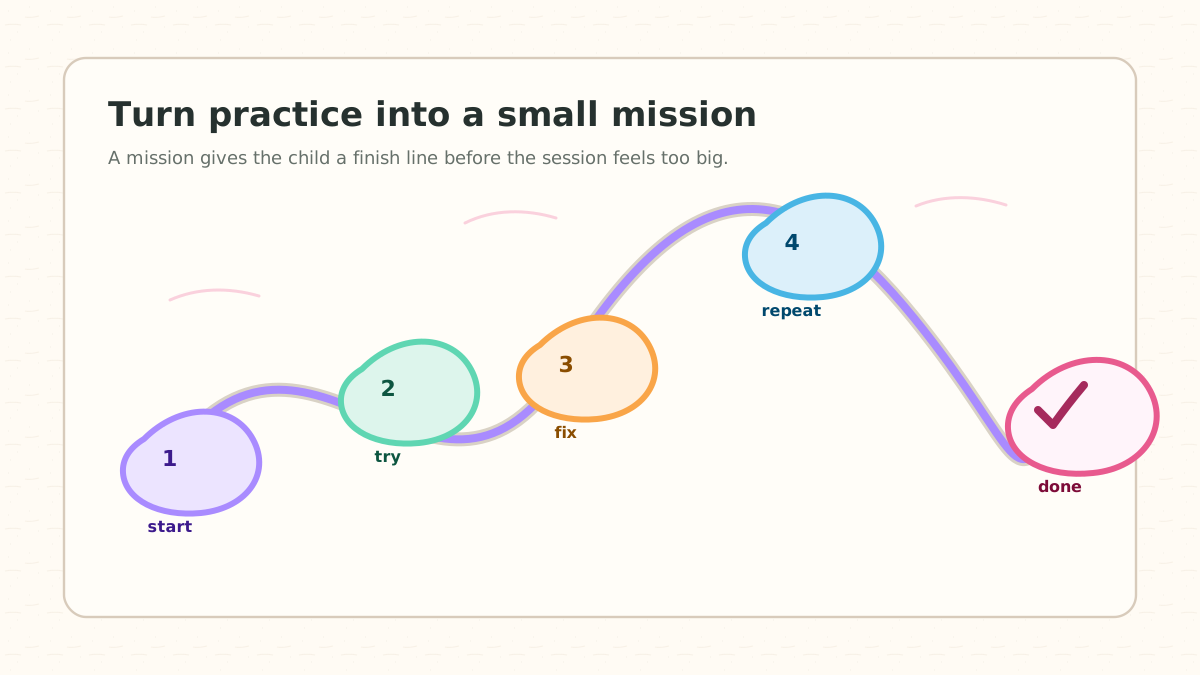
“Complete one mission” is different. It has edges. It starts. It ends. It gives the child one thing to do before the next decision.
That is the core idea behind mission-based practice: make the task small enough to start and clear enough to finish.
A mission is not a bribe
A mission is a structure. It tells the child what they are trying to complete.
Examples:
- Finish one number-order round.
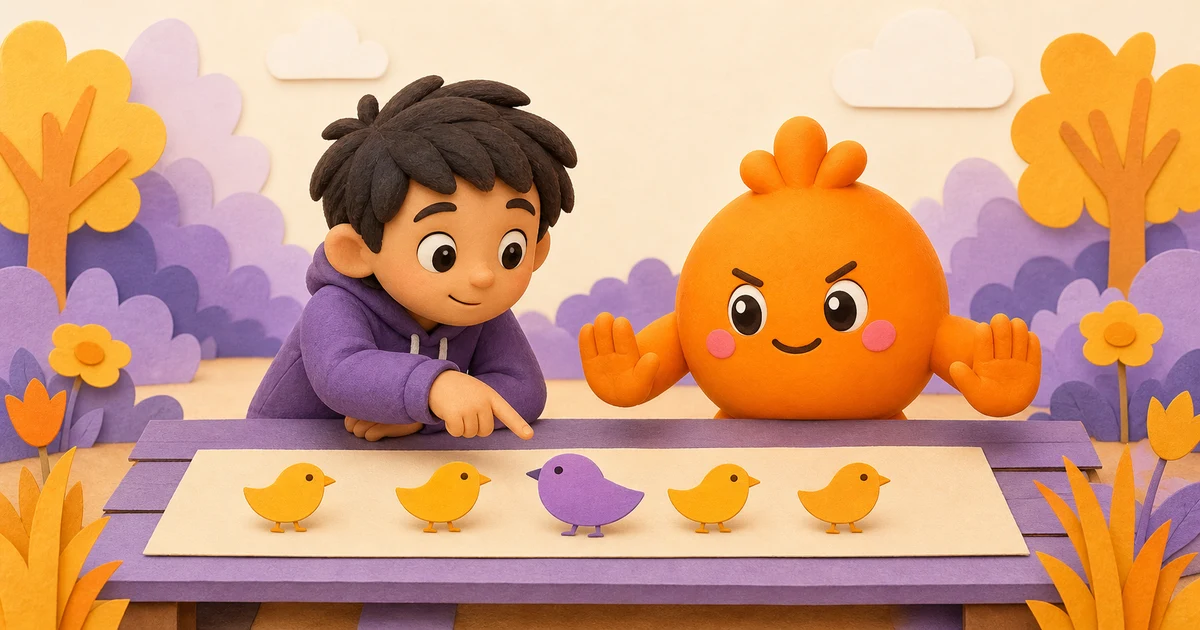
- Find the missing pattern piece three times.
- Solve five addition facts with no timer.
- Explain one wrong answer.
- Beat yesterday’s score once.
The mission should point at the skill, not away from it. If the child remembers only the badge, coin, or prize, the design is drifting. If the child can say what they practiced, the mission is doing useful work.
Why small goals help
Children often resist math because the task feels open-ended. They do not know how long it will last, how hard it will get, or what counts as done.
A small mission reduces that uncertainty.
Instead of “math time,” the child hears:
“One round.”
“Three problems.”
“One mistake fixed.”
“One daily challenge.”
This does not make the math easier. It makes the start easier.
Set a mission that can begin in under two minutes. If setup takes longer than the practice, the routine is too heavy for a reluctant child.
Feedback matters more than points
Points can motivate, but feedback teaches.
Useful feedback tells the child something about the action:
- The pattern completed.
- The number was too small.
- The equation was false.
- The card did not match.
- The answer improved after a second try.
Empty feedback only says something happened: confetti, coins, noise, or a streak. Those can make the moment feel good, but they do not always help the child understand.
The best mission loop uses both carefully: enough celebration to keep momentum, enough feedback to keep the math visible.
Use rewards without letting them take over
Rewards are not automatically bad. Children like goals, progress, collections, and visible wins. Adults do too.
The problem comes when the reward becomes the whole reason to play, and the math becomes the boring obstacle in the way.
A healthier reward system celebrates effort and progress:
- “You corrected that mistake.”
- “You tried a harder round.”
- “You noticed the pattern.”
- “You finished today’s mission.”
Math & Patterns is planning physical toy rewards for completed missions as a future feature. That is not live today, so parents should treat it as coming soon. The current reason to use the app is the short practice loop.
Mission ideas by mood
Use the child’s mood to choose the mission size.
If your child is tired: one easy round, stop.
If your child is confident: one harder round, then explain the strategy.
If your child is frustrated: fix one mistake together.
If your child wants competition: beat yesterday’s score once.
If your child wants choice: let them choose between two games, not ten.
Choice helps most when the boundaries are clear. “Pick any app and play as long as you want” is not a mission. “Pick one of these two games and finish one round” is.
Parent language that helps
Try replacing broad commands with mission language:
- Instead of “Do your math,” say “Finish one pattern mission.”
- Instead of “Stop guessing,” say “Find one clue before you tap.”
- Instead of “You got it wrong,” say “Good, now we know what to fix.”
- Instead of “Keep going forever,” say “One clean round and we are done.”
This language keeps the session specific and low-pressure.
A five-day mission plan
Here is a simple plan for this week:
- Day one: complete one easy game.
- Day two: complete one harder game.
- Day three: explain one strategy.
- Day four: fix one mistake.
- Day five: choose the favorite mission and repeat it.
Keep the sessions short. Stop when the mission is complete. The goal is to build trust that math practice has a clear beginning and end.
When children believe a practice session can end well, they are more likely to start the next one.