Logic essays
12 essays from The Pattern Journal.
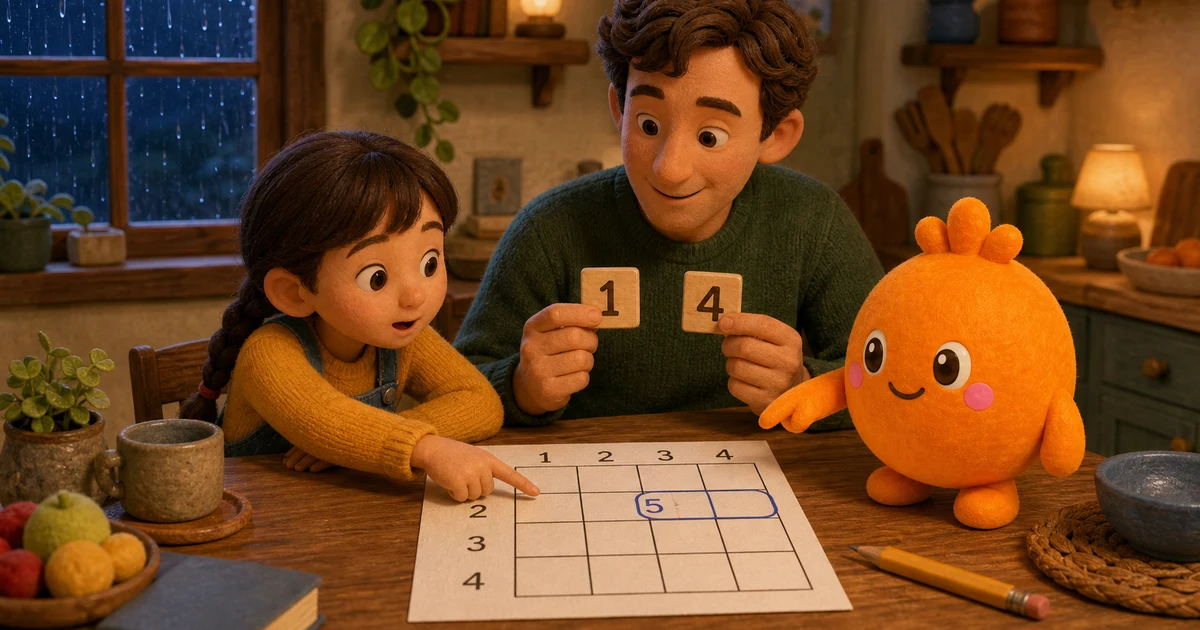
Use cage totals to make a short candidate list, then let row, column and region rules cross out the choices that cannot fit.
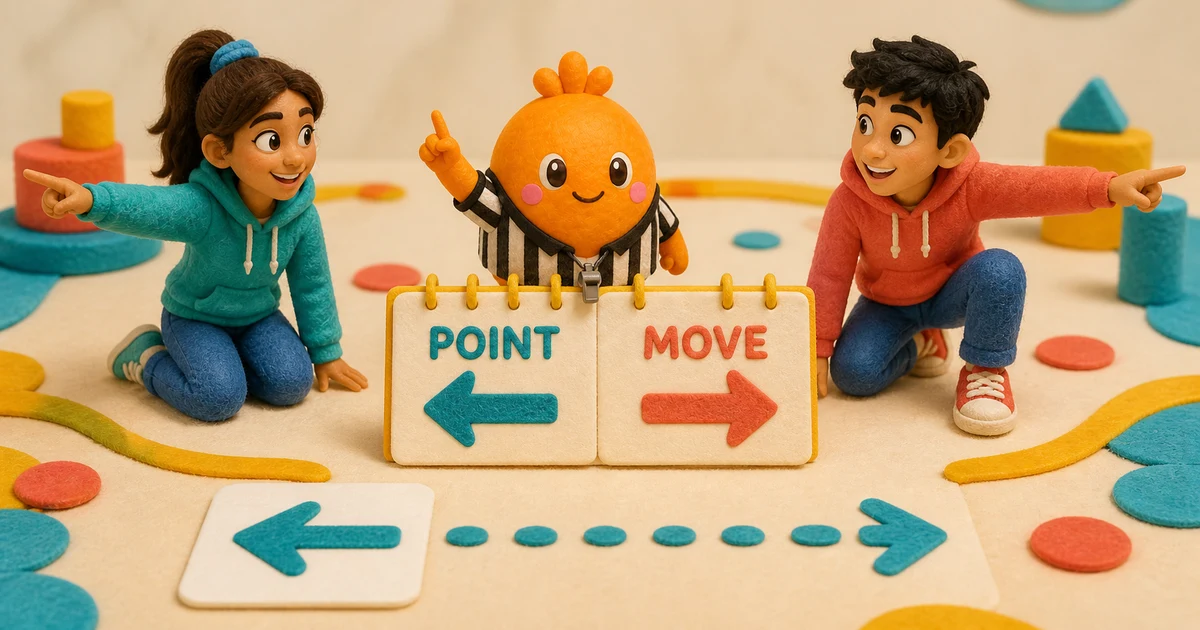
Use the same moving arrows under two different rules, mark every rule change, and compare repeat and switch trials without turning the result into a diagnosis.

Respond to the middle target while nearby symbols agree or conflict, then separate the simple task rule from claims the result cannot support.

A one-back task asks you to compare the current item with the item immediately before it. Here is how the rule works—and what a score cannot tell you.

Memory-game scores can show task learning and strategy change. They do not automatically demonstrate higher intelligence, academic gains or clinical improvement.
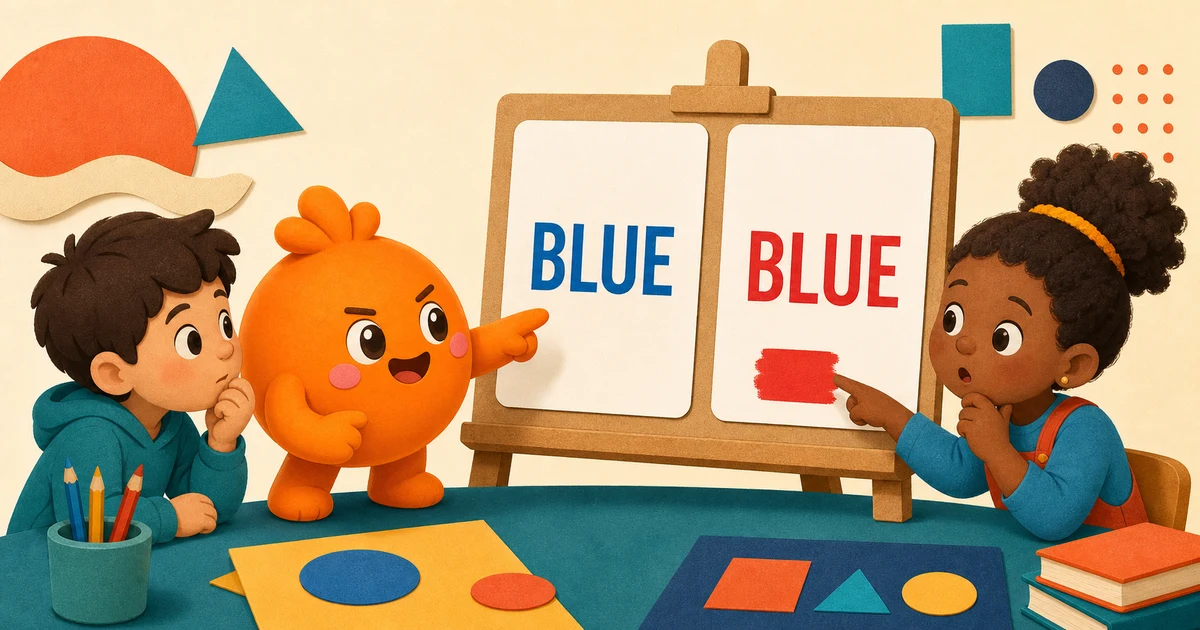
Naming ink colour is usually slower when a written colour word points to a competing answer. The effect is reliable, but an individual game score is not a diagnosis.

Build a quick candidate route, remove avoidable crossings, test local swaps and compare alternatives—while keeping heuristic improvement separate from proof.
An honest comparison for parents who like casual web games but want a more focused math-practice loop on the phone.
A practical guide for adults and teens who want short math practice that feels like a phone game, not a school worksheet.
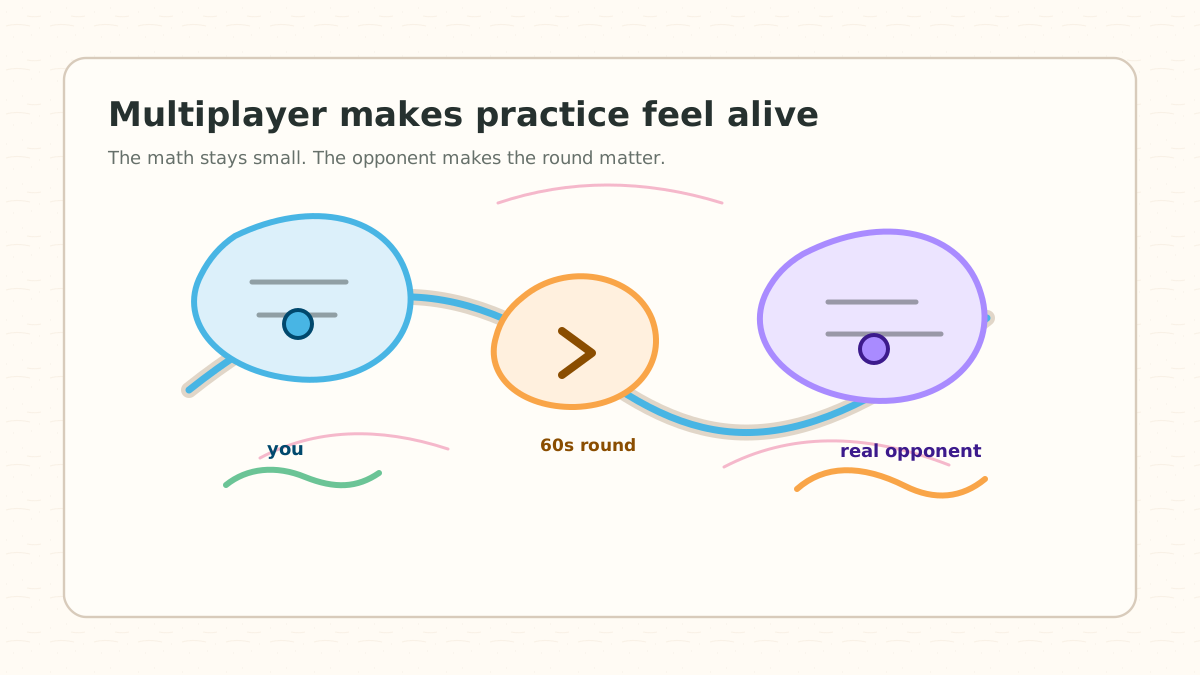
A practical guide for parents comparing solo math apps with short, live math duels.
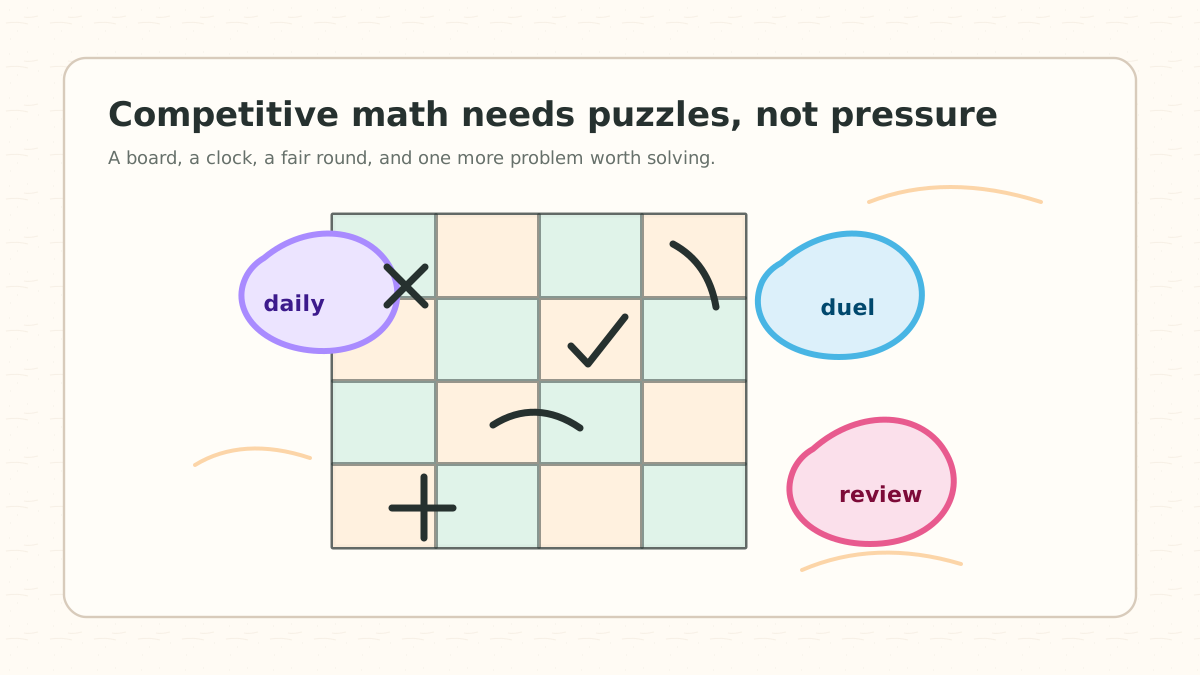
The point is not to copy chess. It is to bring puzzles, fair matches, daily practice, and community energy to math.
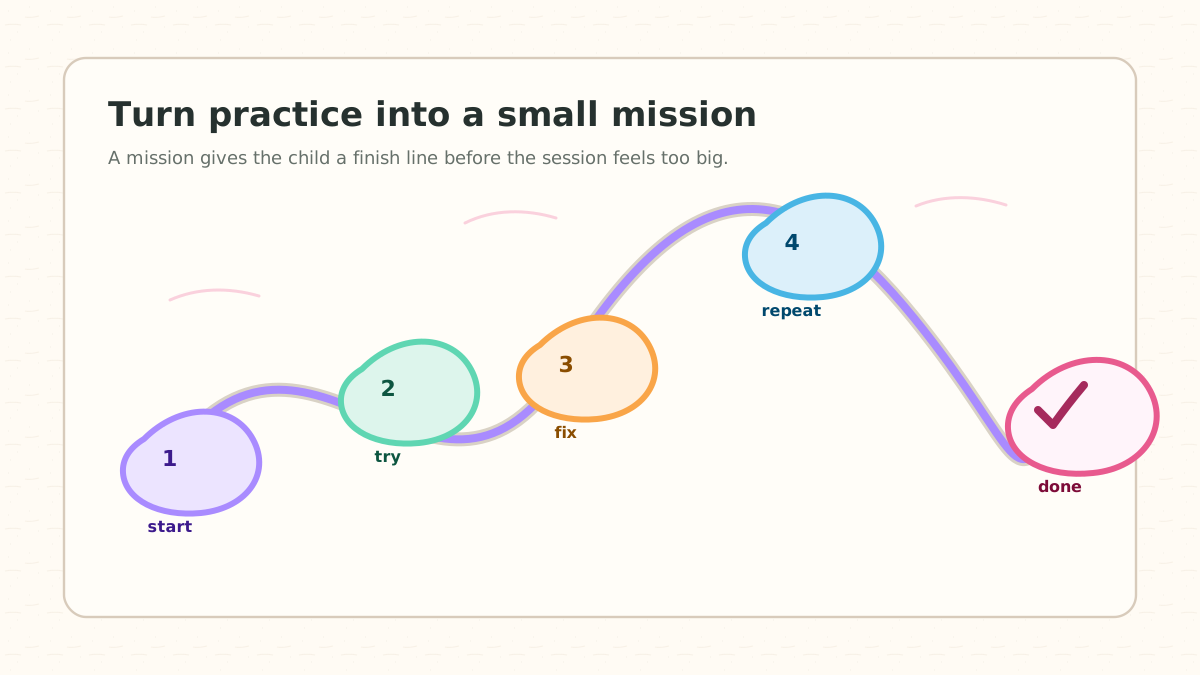
Mission-based practice gives children a small goal, quick feedback, and a real finish line before math starts to feel too big.