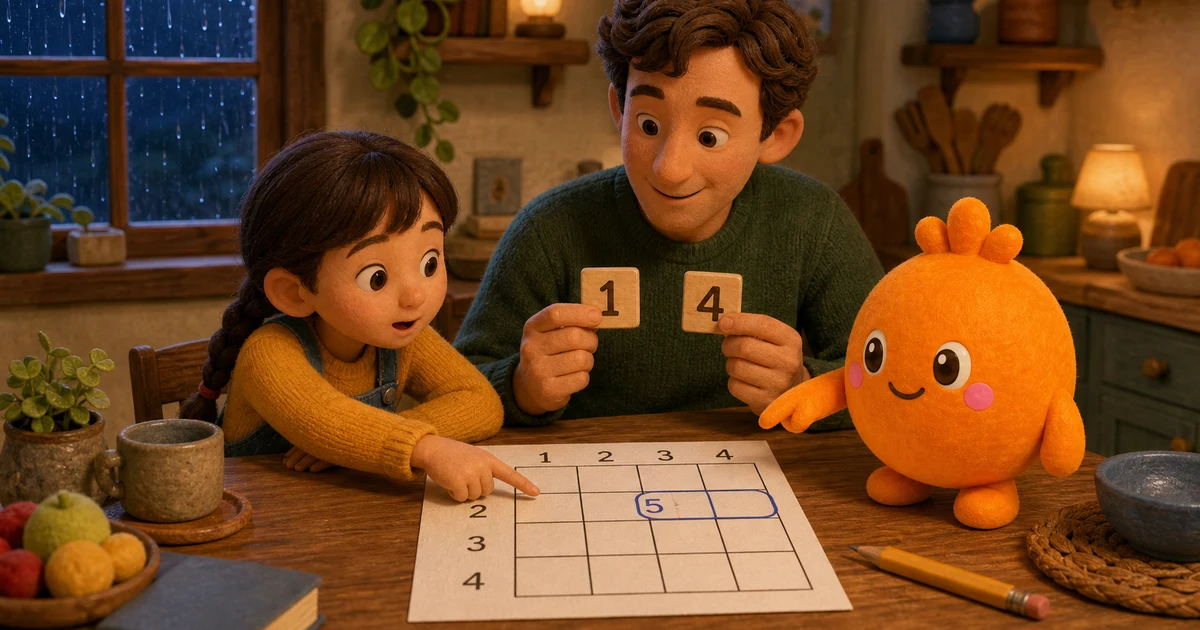
Most math apps are built like a lane: lesson, question, answer, next lesson. That can be useful. It can also feel lonely.
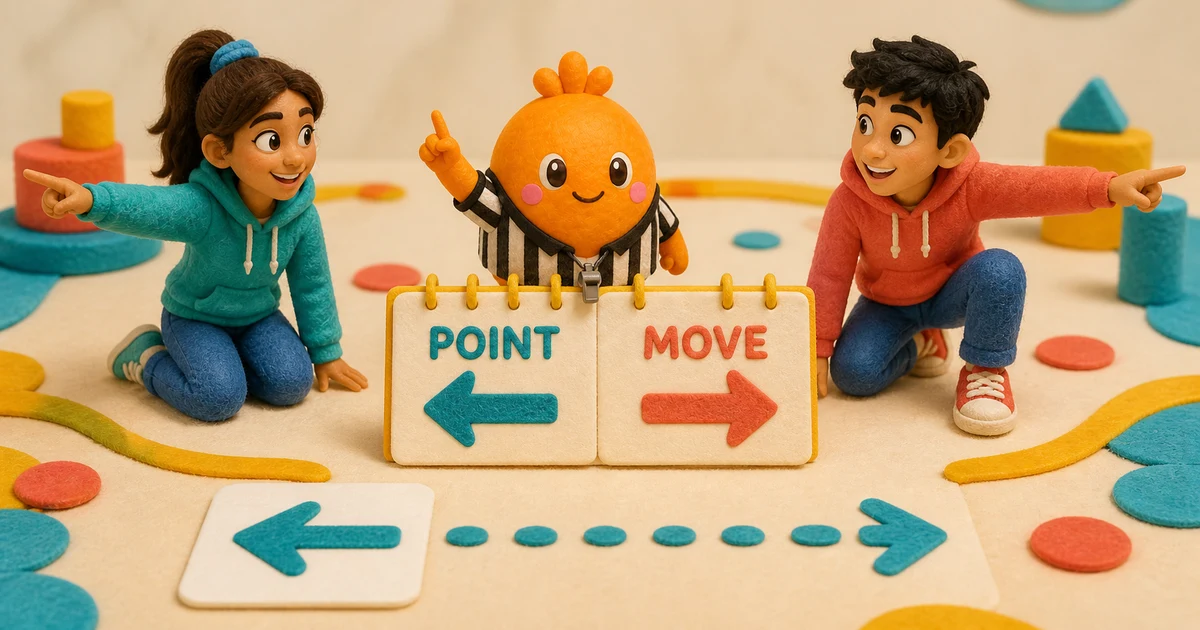
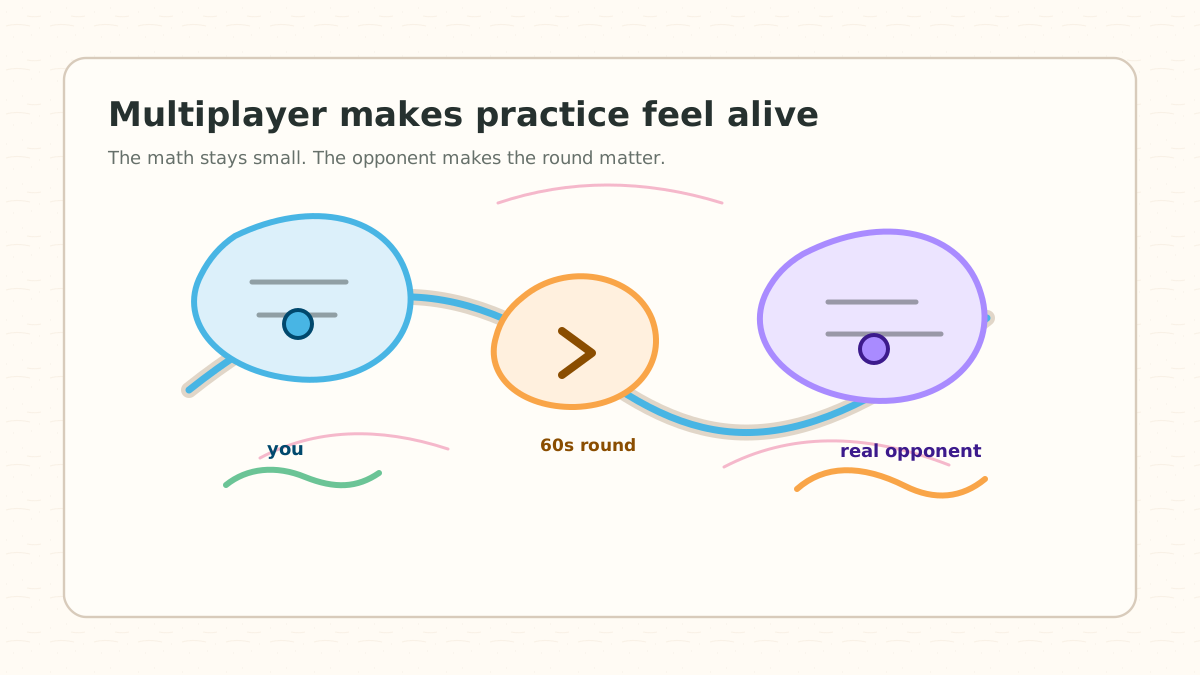
Multiplayer changes the feeling without changing the core job. You still have to solve the problem. You still have to notice the pattern. But now the round has a pulse: another person is trying too.
That is why the phrase “multiplayer math games” is worth targeting. In the DataForSEO snapshot for this batch, the exact phrase had 320 average monthly searches in the US, with related demand around “math duel games” and “online multiplayer math games.” The volume is smaller than broad terms like “math games for kids,” but the intent is clearer: people are looking for math practice that does not feel like a private worksheet.
What makes a multiplayer math game good?
A good multiplayer math game is not just a chat room with equations. It needs four things.
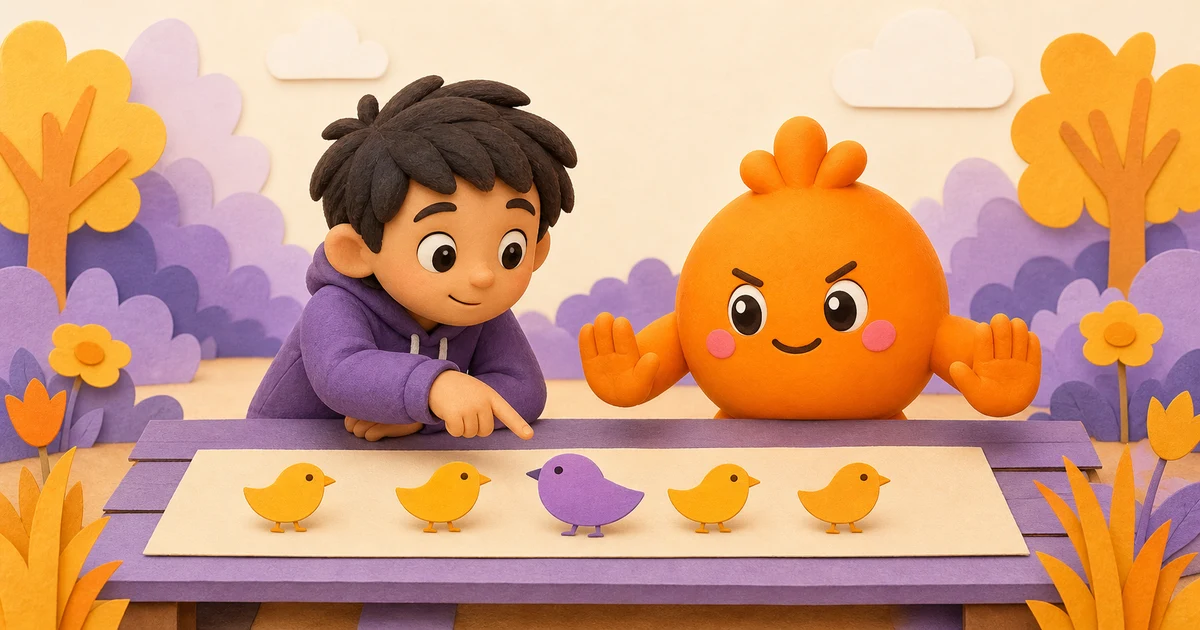
First, the skill has to stay visible. If the game is about addition, ordering numbers, matching symbols, or recognizing a pattern, the player should know that before the round starts.
Second, the timer should be short. Long competitive sessions are tiring. A one-minute math duel is easier to start, easier to repeat, and easier to recover from if you lose.
Third, the scoring has to be fair. Accuracy should matter. Speed should matter only when the skill is meant to be fast. If a child learns that guessing quickly beats thinking, the game is training the wrong habit.
Fourth, the opponent should feel real. This is the part many math apps skip. They add badges, streaks, and cartoon progress, but the user is still practicing alone.
If the multiplayer feature disappeared, would the math still be good? If the answer is no, the app is probably decoration-first. If the answer is yes, multiplayer can add motivation without weakening the practice.
Why math duels help reluctant learners
A child who resists worksheets is not always resisting math. Often they are resisting the mood of the task: silent, long, judged, and repetitive.
A duel changes the mood. It gives the child a reason to start now. It creates a finish line. It turns one mistake into part of a round rather than a mark on a page.
That does not mean every child should compete every day. Some children need calm practice first. Some need solo repetition until the skill feels safe. But for many learners, especially older kids, teens, and adults, another person makes the practice easier to return to.
This is why chess is such a useful comparison. Chess.com is not only a board. Its public homepage points users toward playing, puzzles, lessons, bots, events, and a large player community. The lesson for math is not “copy chess.” The lesson is that a practice app becomes stickier when it gives people more than a private drill.
Where Math & Patterns fits
Math & Patterns is built for short rounds. The web catalog has twenty games across arithmetic, algebra, geometry, logic, speed, and special categories. Four are playable in the browser today: Bubble Pop, True or False, Number Order, and Speed Match. The full app carries the broader set, along with live duels, the daily challenge, friends, and rankings.
That is different from a curriculum-first product. Math & Patterns does not claim to replace a teacher, a textbook, or a full grade-level course. It is not trying to be the whole school day.
The bet is narrower: if someone has one spare minute, they should be able to do one real math or pattern round instead of opening a throwaway phone game.
What other math apps do better
Honest comparison matters. Some products beat Math & Patterns on curriculum depth. Prodigy has a large fantasy world, parent and teacher dashboards, adaptive math questions, and grade 1-8 positioning. Duolingo Math has standards-aligned bite-sized lessons and step-by-step help. IXL is built for targeted skill practice and diagnostics.
If your child needs a complete grade path, detailed school alignment, teacher reports, or a structured lesson sequence, those tools may be a better fit.
If your child needs a short social math loop, the comparison changes. Many math apps are lesson-first. Math & Patterns is round-first.
The parent decision
Use solo practice when your child needs instruction, diagnosis, or a quiet low-pressure session.
Use multiplayer math when your child already understands the skill enough to play and needs motivation to repeat it.
Use Math & Patterns when you want the second kind of session: quick, visible, competitive, and small enough to try again.
The goal is not to make math loud. The goal is to make practice feel alive.