Math & Patterns
Math & Patterns publishes evidence-led notes about numbers, patterns, logic and the games built around them.
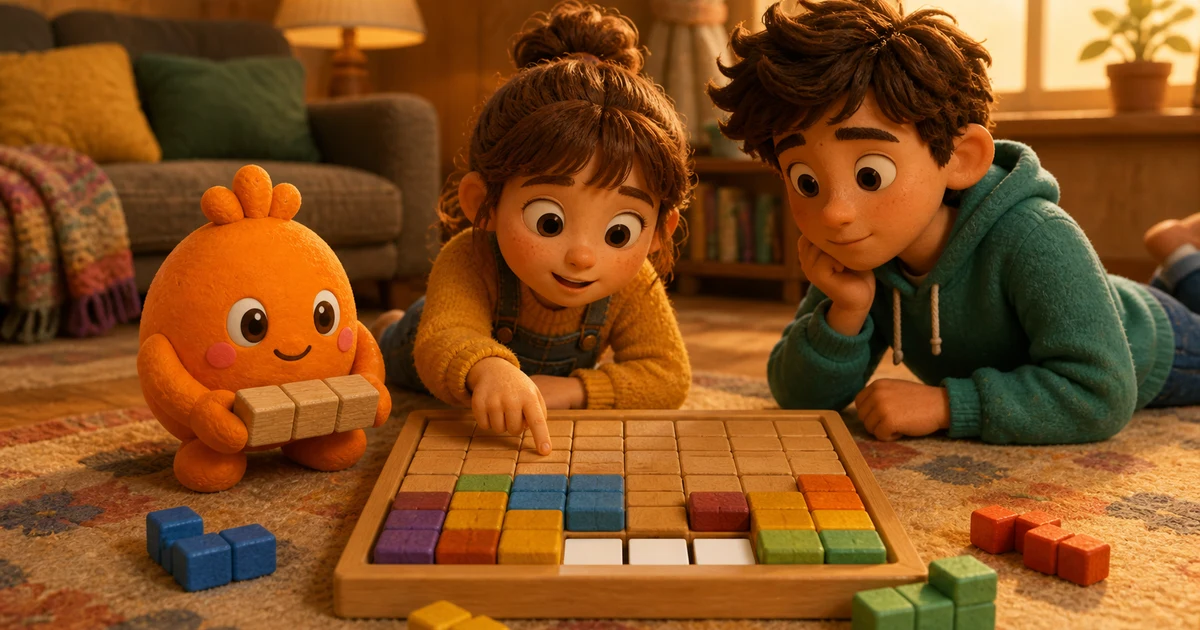
Read every available piece, protect one useful open lane and compare two legal placements before choosing the satisfying quick clear.
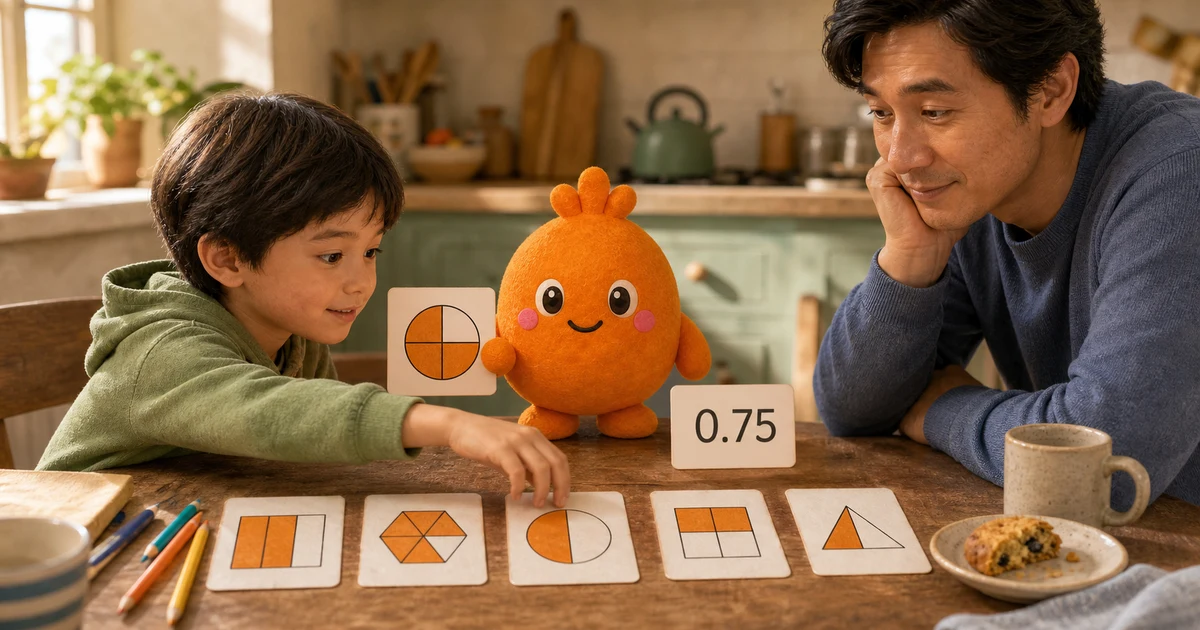
Convert each card before you rely on memory, then play a six-pair round with an answer key that makes every match explainable.
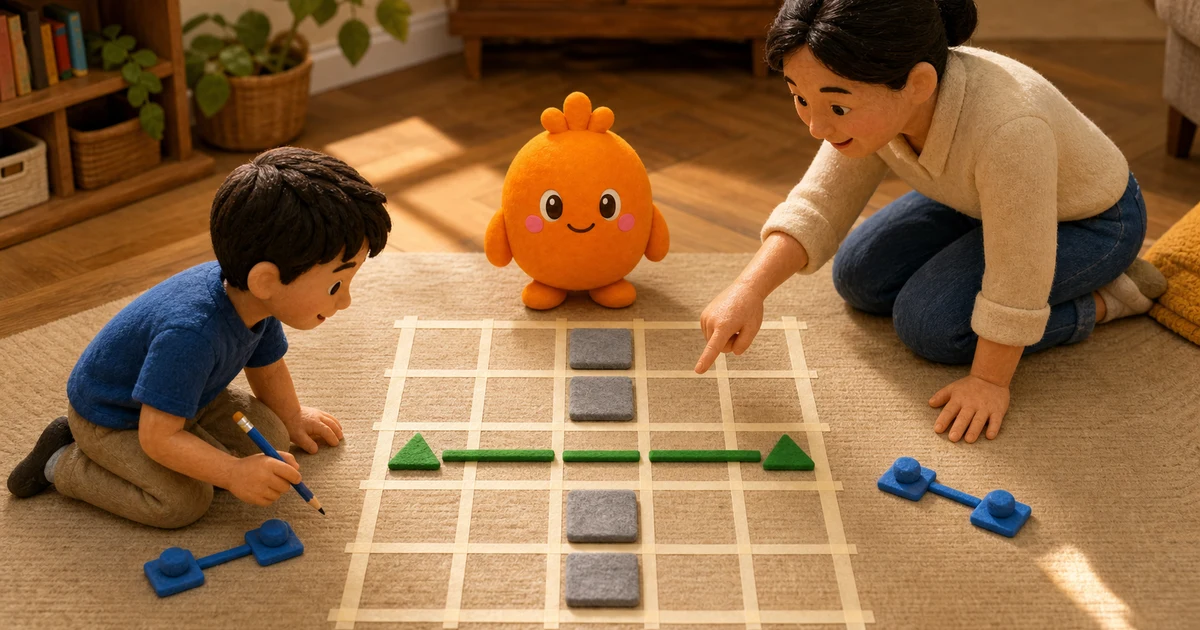
Mark narrow corridors first, count an exact-length route by an agreed rule, and solve a small three-pair grid without trapping the final path.
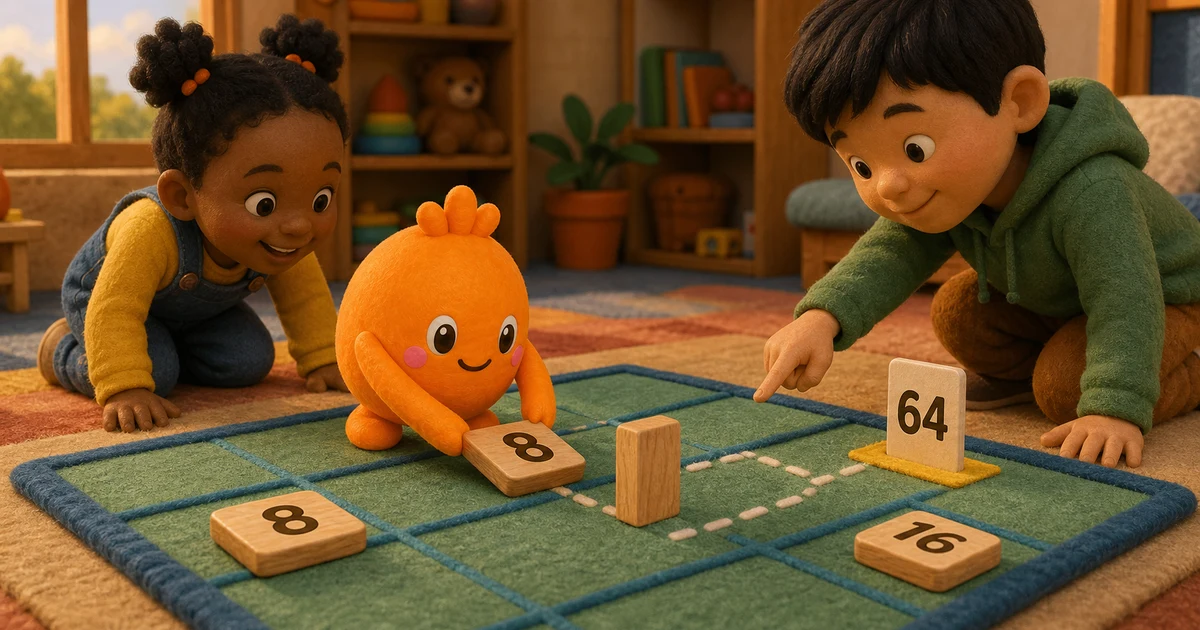
Reverse the doubling chain, count the starting tiles, then try a small merge round where space matters as much as arithmetic.
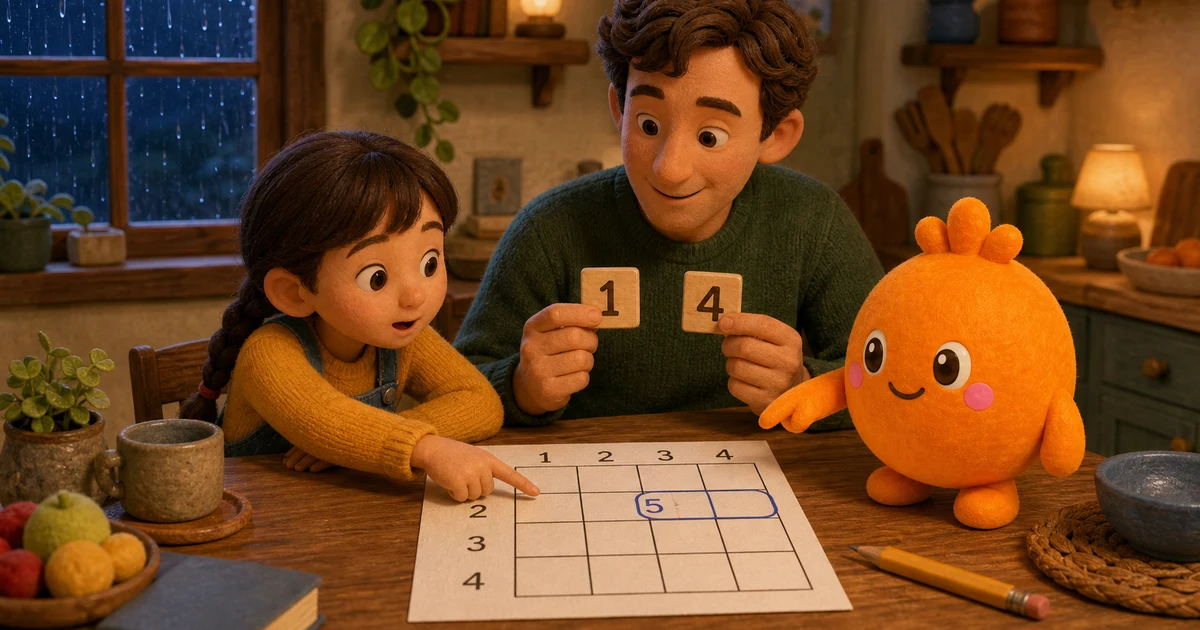
Use cage totals to make a short candidate list, then let row, column and region rules cross out the choices that cannot fit.
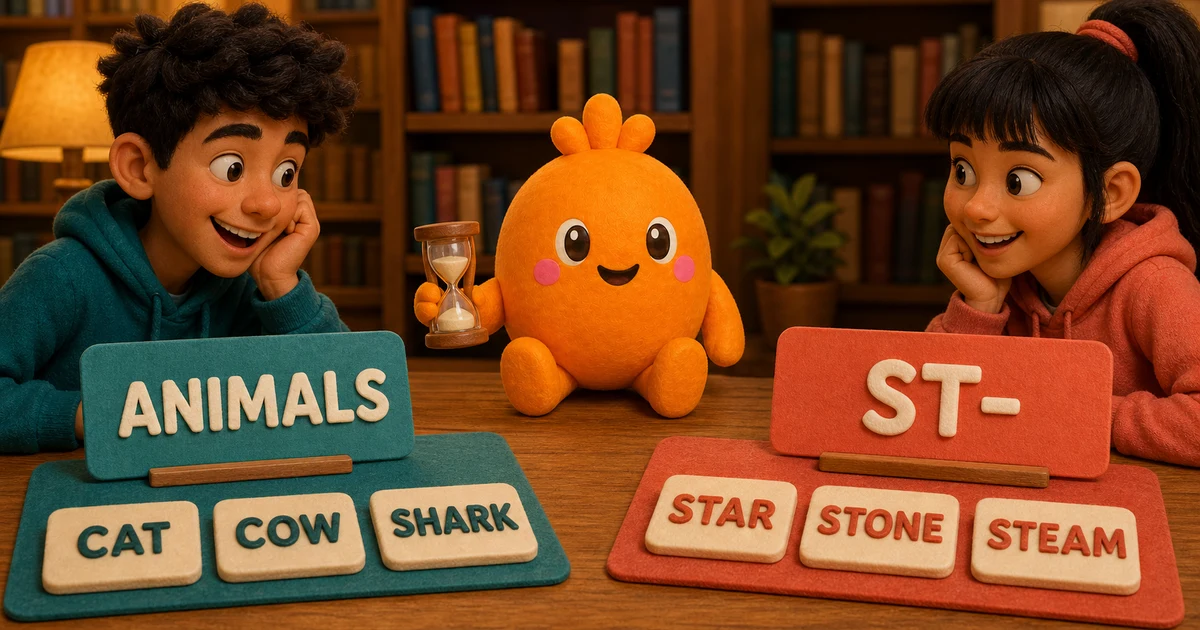
Run one category round, use small clusters to keep ideas moving, then compare it with a different word-stem rule without treating either score as a diagnosis.
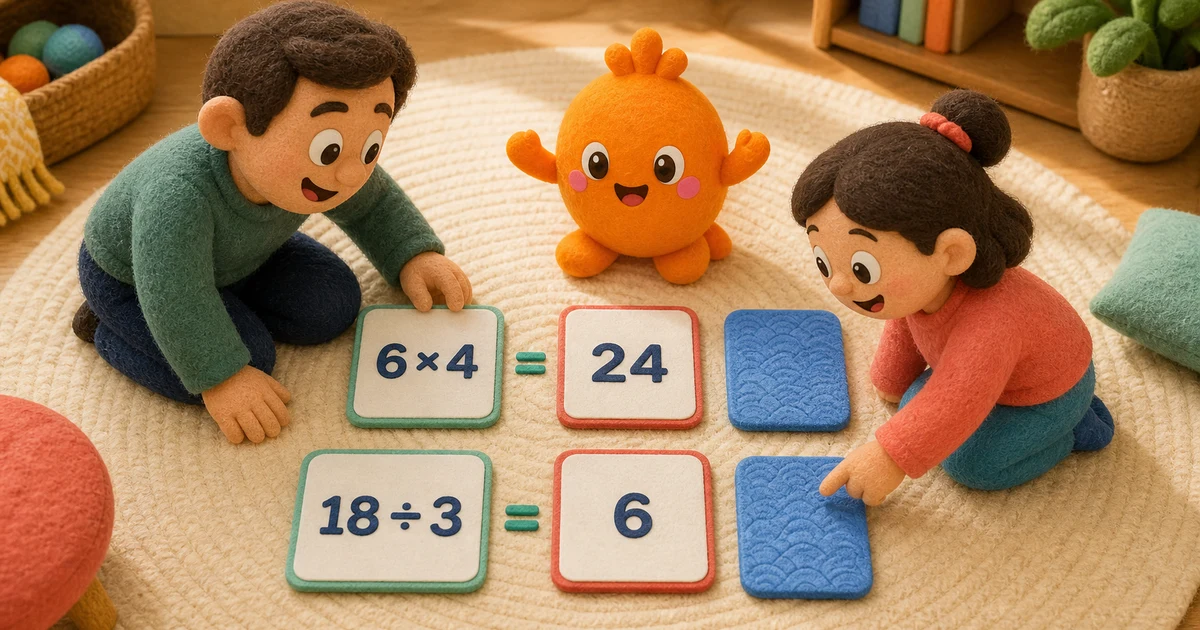
Play a complete six-card round, say the answer before searching, and separate calculation mistakes from forgetting where a matching card sits.
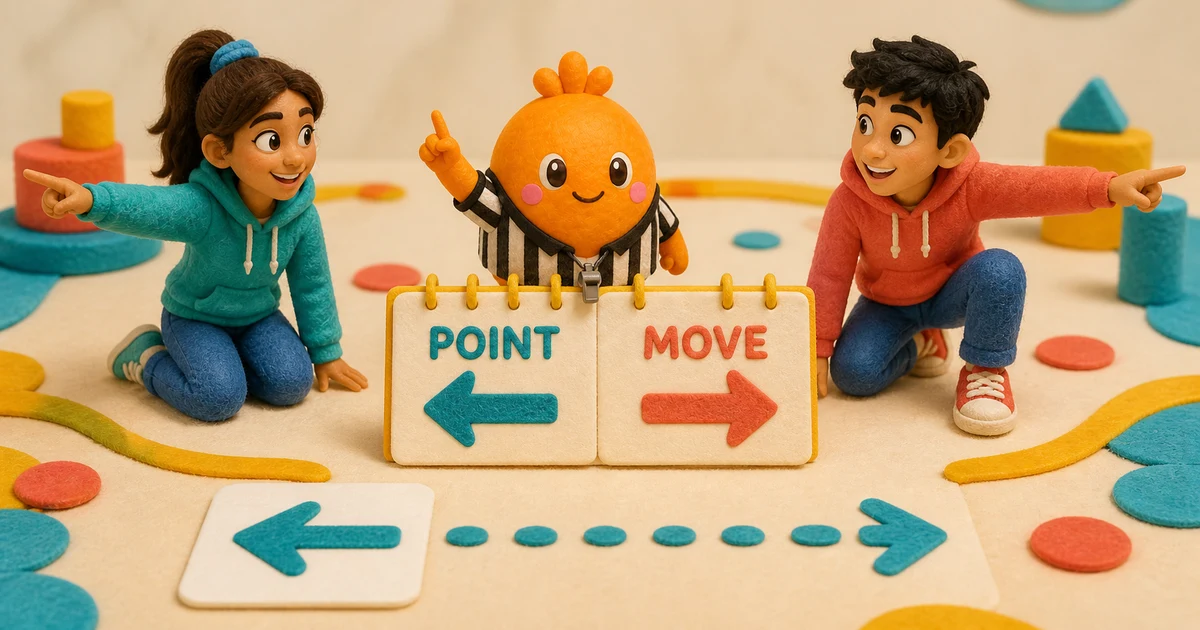
Use the same moving arrows under two different rules, mark every rule change, and compare repeat and switch trials without turning the result into a diagnosis.
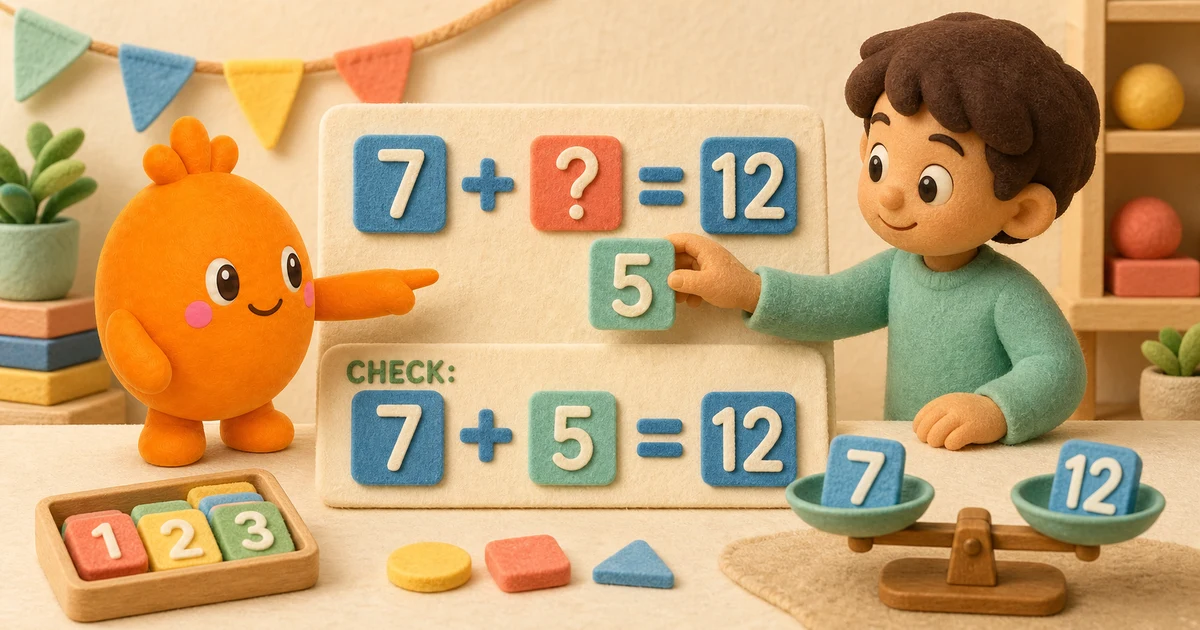
Read what the blank represents, choose the matching inverse operation, and put the answer back into the original equation to catch mistakes.
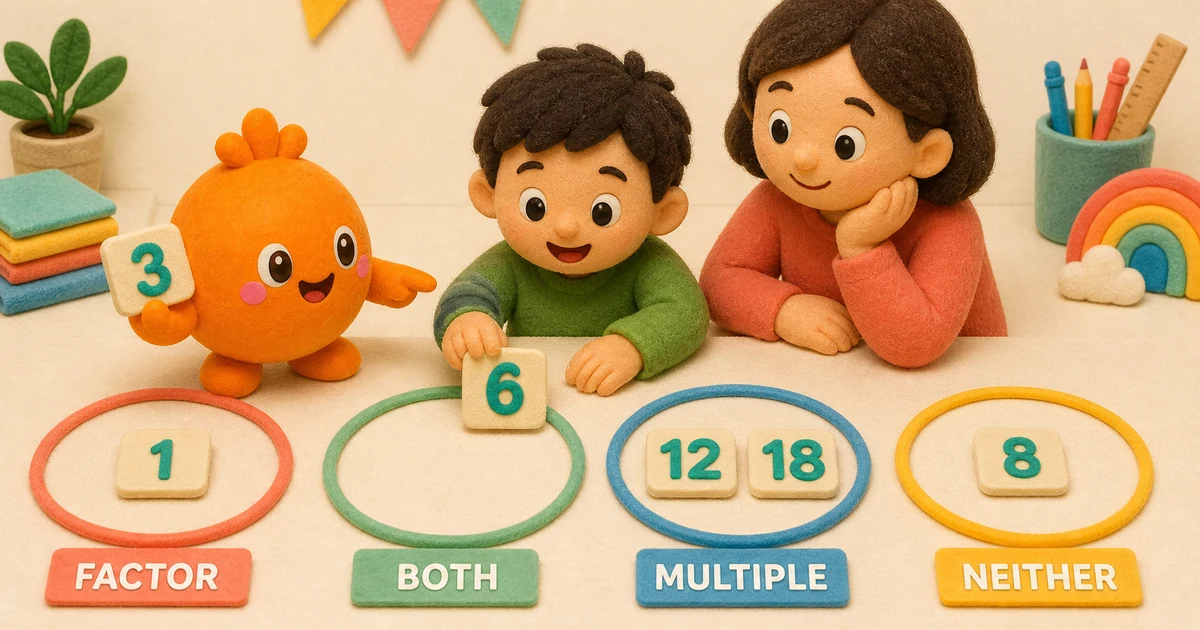
Use one exact test, sort factor and multiple cards, and explain every choice instead of relying on a half-remembered definition.
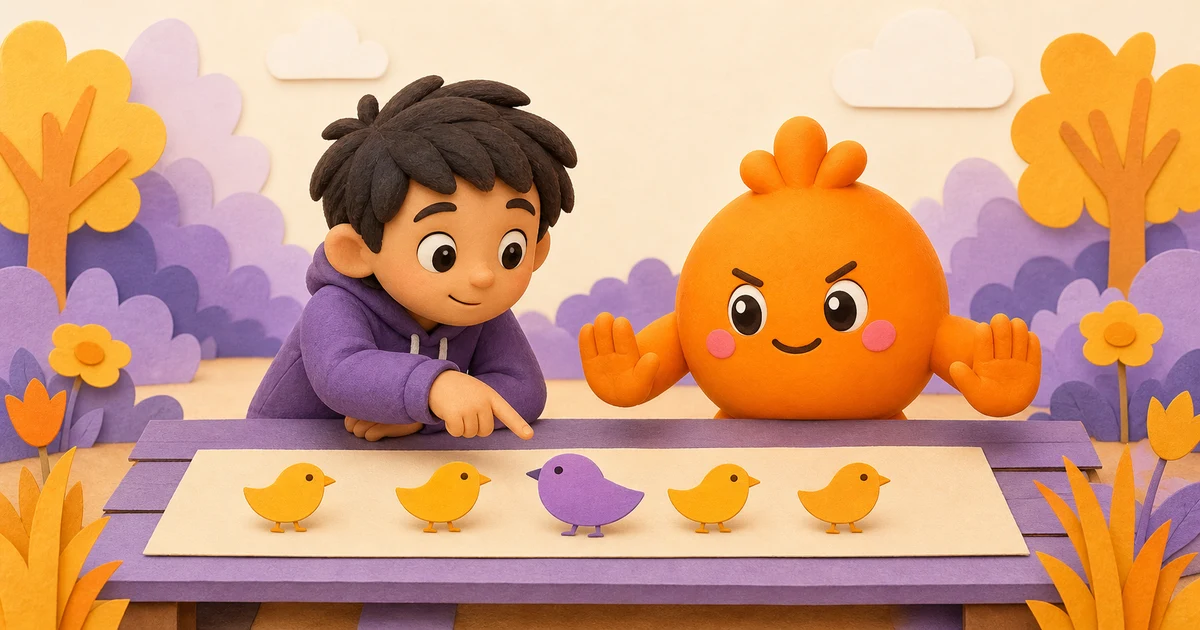
Respond to the middle target while nearby symbols agree or conflict, then separate the simple task rule from claims the result cannot support.
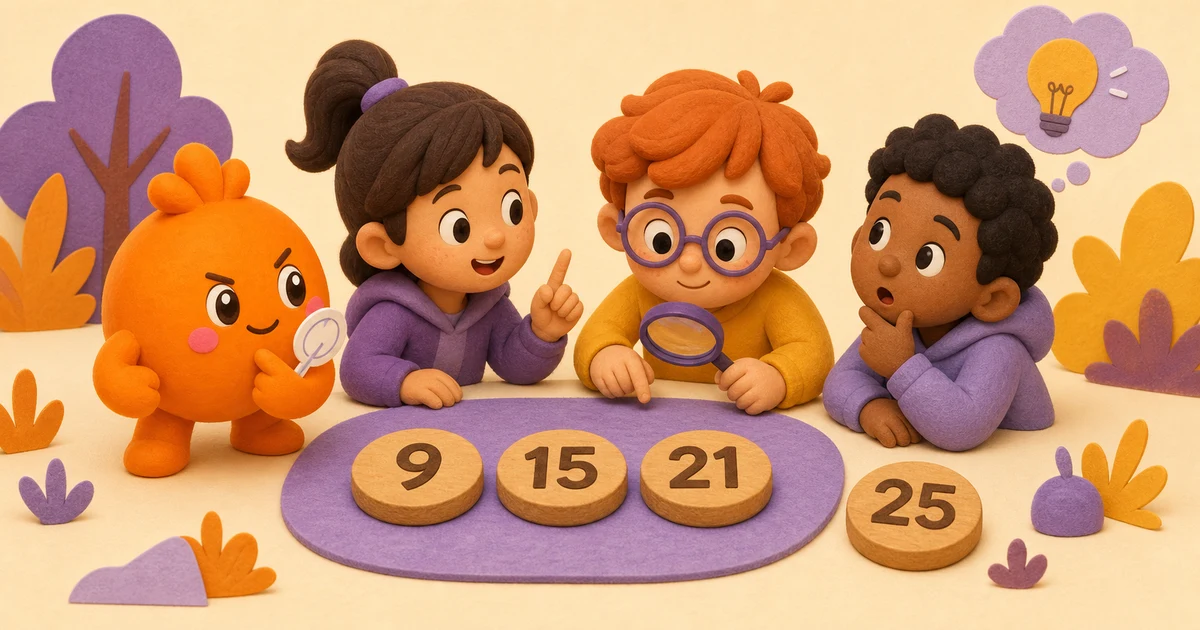
Name a rule shared by the group, test every number against it and justify the exception—while allowing another answer when another rule works.
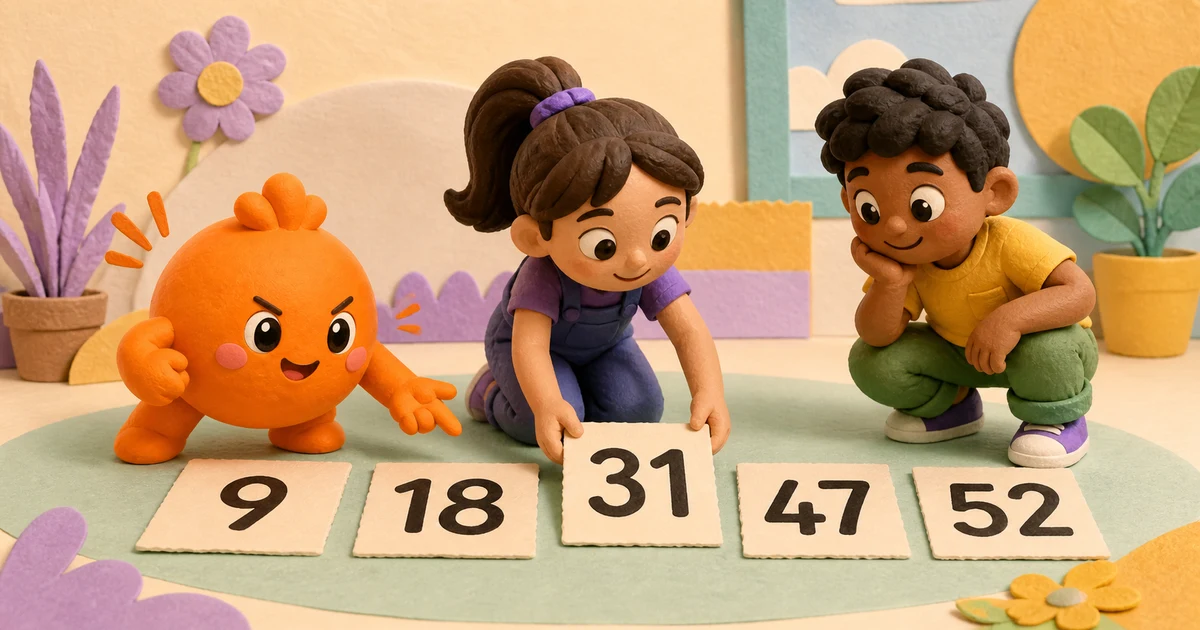
Compare place values, place one number at a time, then verify every neighbouring pair with a less-than statement.
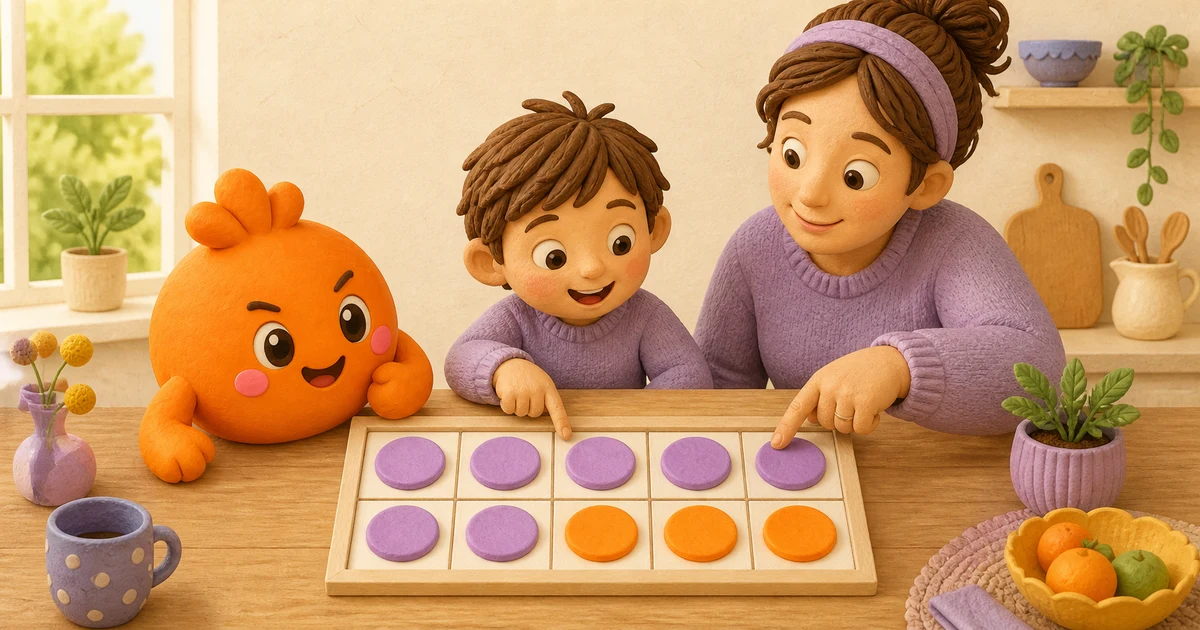
Use a full ten-frame, a symmetry shortcut and a quick partner hunt to see every pair that makes 10—not just memorise a list.
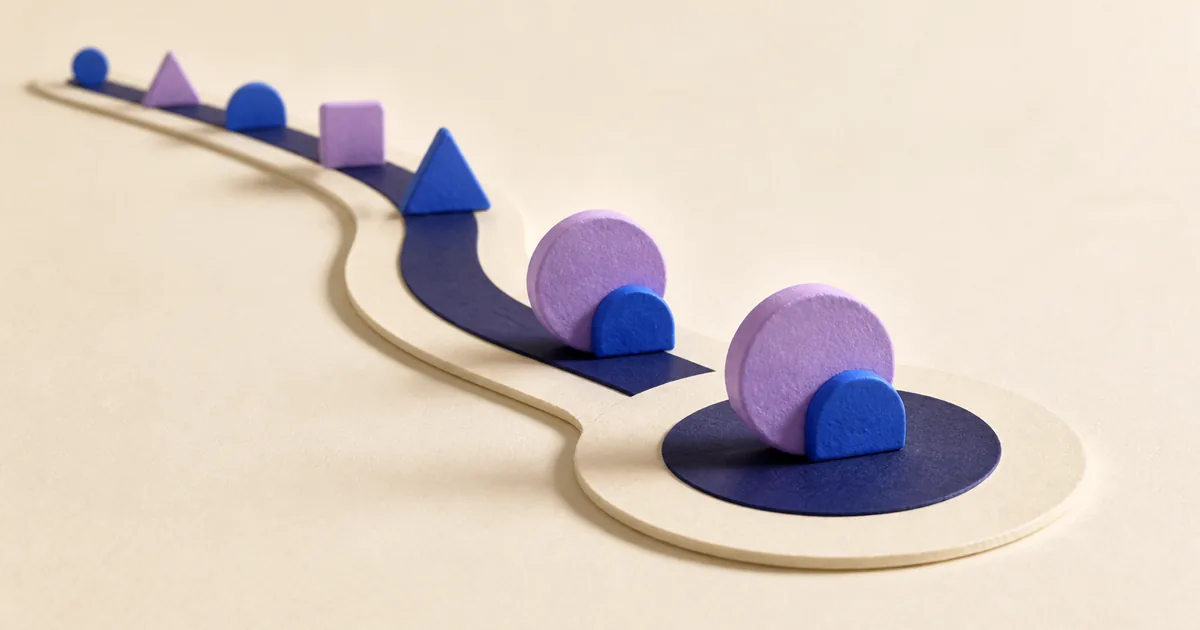
A one-back task asks you to compare the current item with the item immediately before it. Here is how the rule works—and what a score cannot tell you.
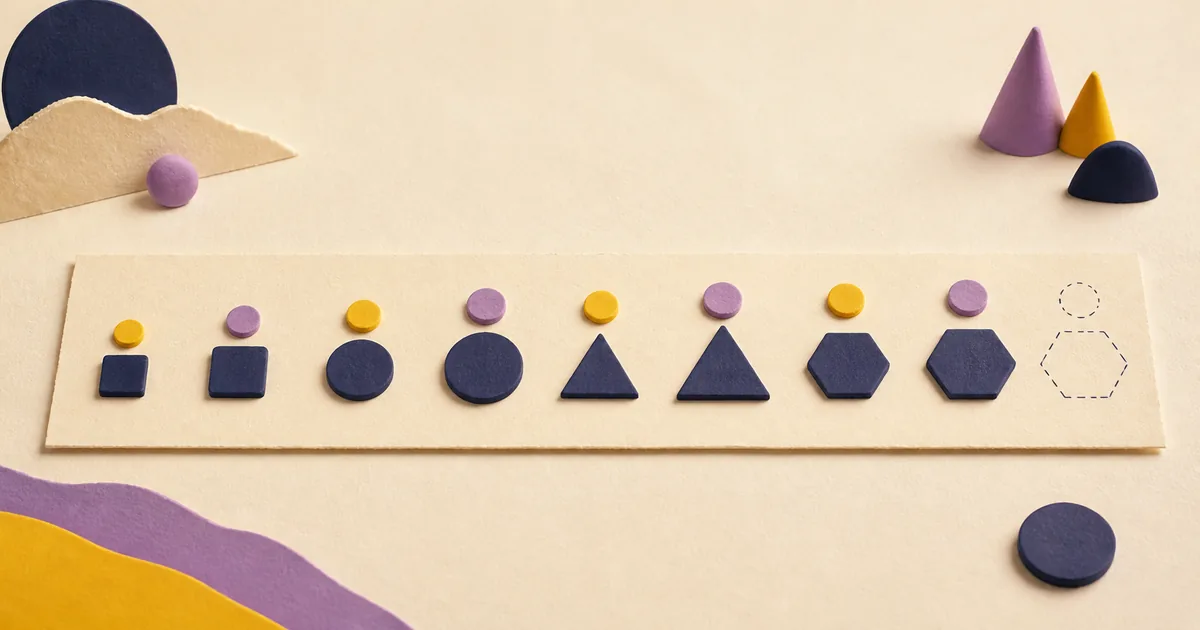
Test differences, ratios, alternating positions and recurrence in a fixed order—then check that your proposed rule fits every term you were given.

Memory-game scores can show task learning and strategy change. They do not automatically demonstrate higher intelligence, academic gains or clinical improvement.

Anchor one distinctive feature, turn the whole form consistently, and check adjacency—not just the overall silhouette—before choosing a match.

The equals sign does not mean ‘write the answer next’. It states that the expressions on both sides have the same value.
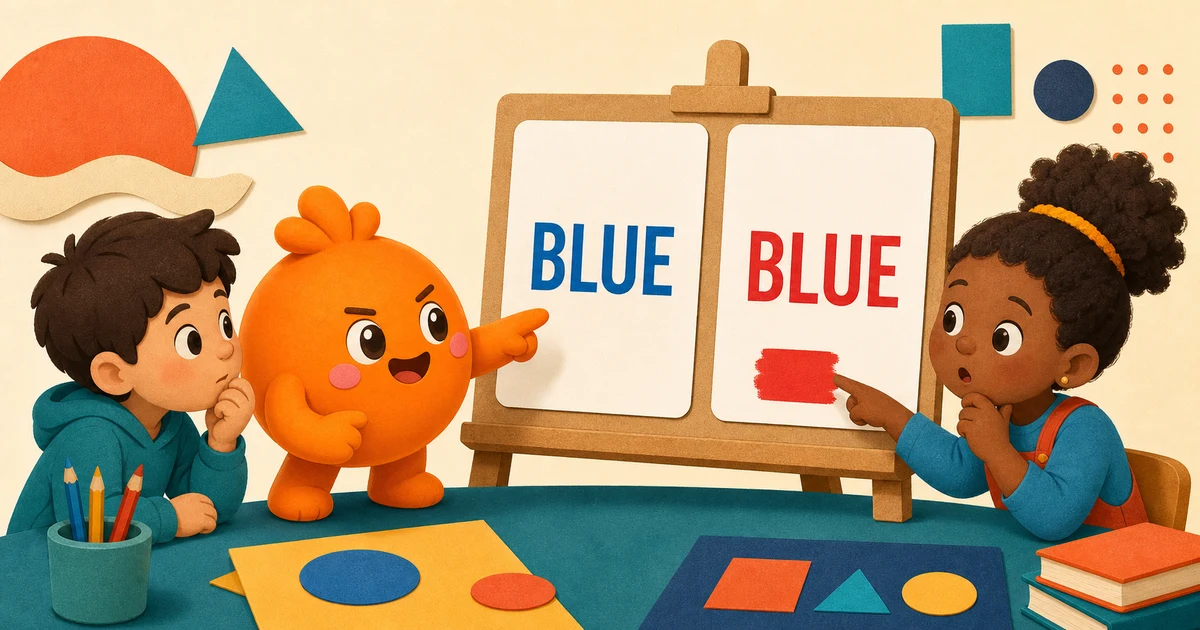
Naming ink colour is usually slower when a written colour word points to a competing answer. The effect is reliable, but an individual game score is not a diagnosis.
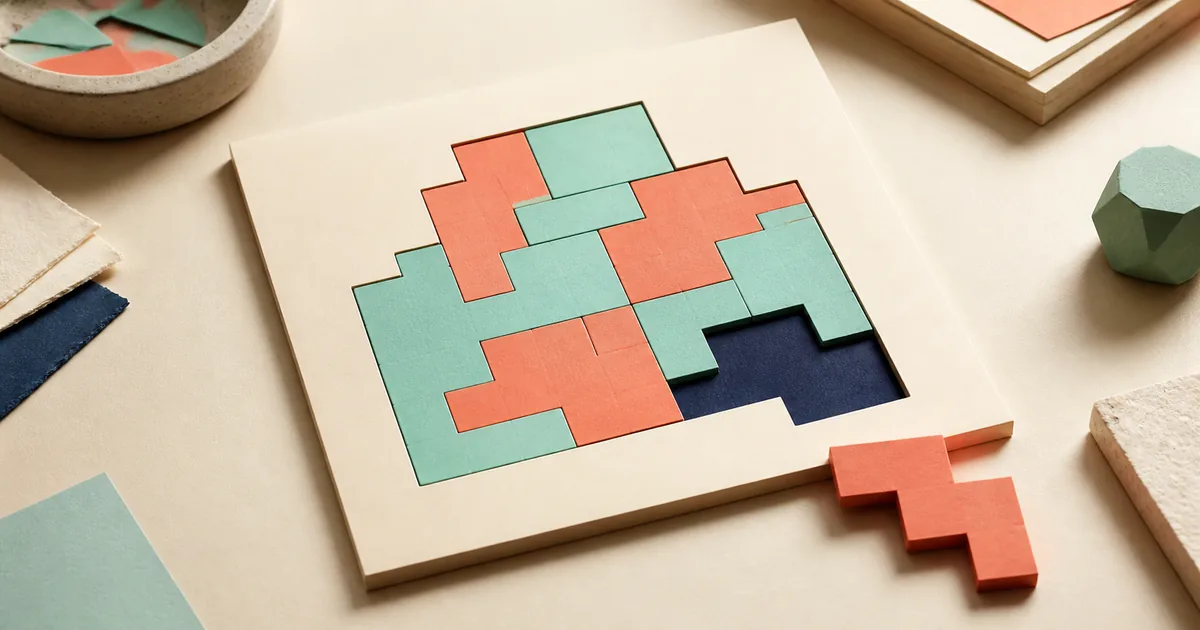
Count the target area, find the hardest cells, place awkward pieces deliberately, and backtrack before one attractive placement traps the rest.

Multiplication and division share one precedence level, as do addition and subtraction. Within each pair, evaluate from left to right.

Estimate before calculating, find the exact result, then compare. Rounding, compatible numbers and bounds catch different kinds of error.

Build a quick candidate route, remove avoidable crossings, test local swaps and compare alternatives—while keeping heuristic improvement separate from proof.
An honest comparison for parents who like casual web games but want a more focused math-practice loop on the phone.
A parent guide to picking multiplication games that build recall, pattern sense, and confidence instead of only faster guessing.
A practical guide for adults and teens who want short math practice that feels like a phone game, not a school worksheet.
A guide to math puzzle games that help players notice structure, explain strategies, and practice patterns without hiding the math.
A practical guide to arithmetic games that build fluency through accuracy, speed, variety, and repeatable one-minute sessions.
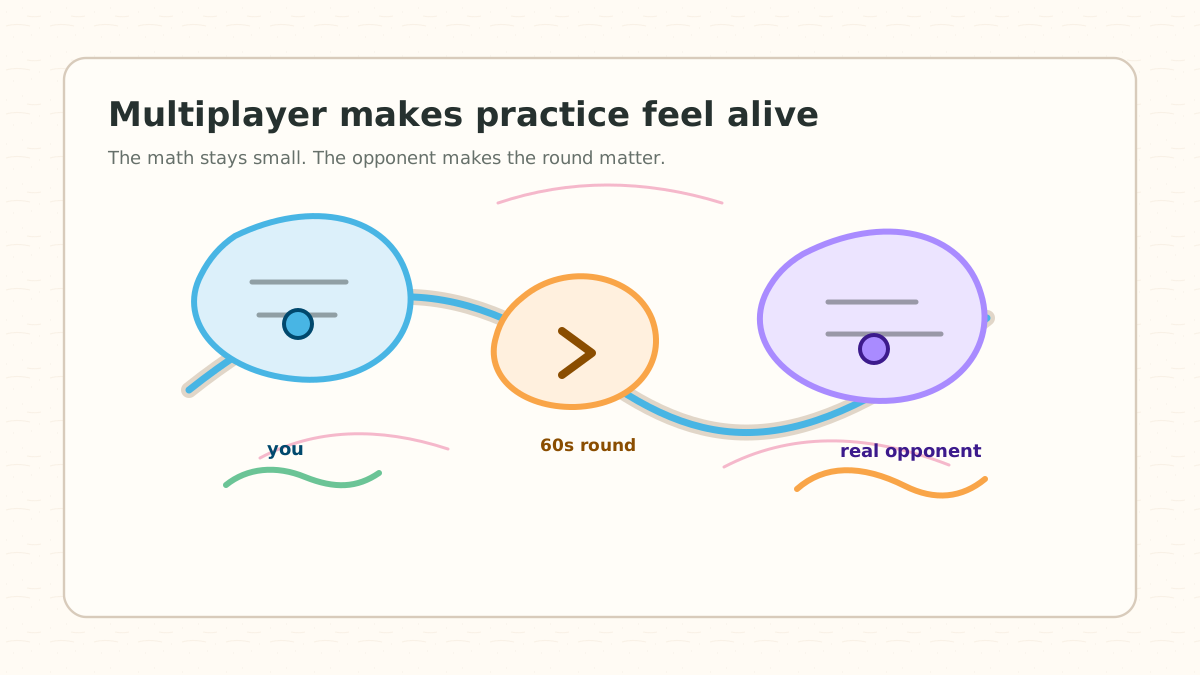
A practical guide for parents comparing solo math apps with short, live math duels.
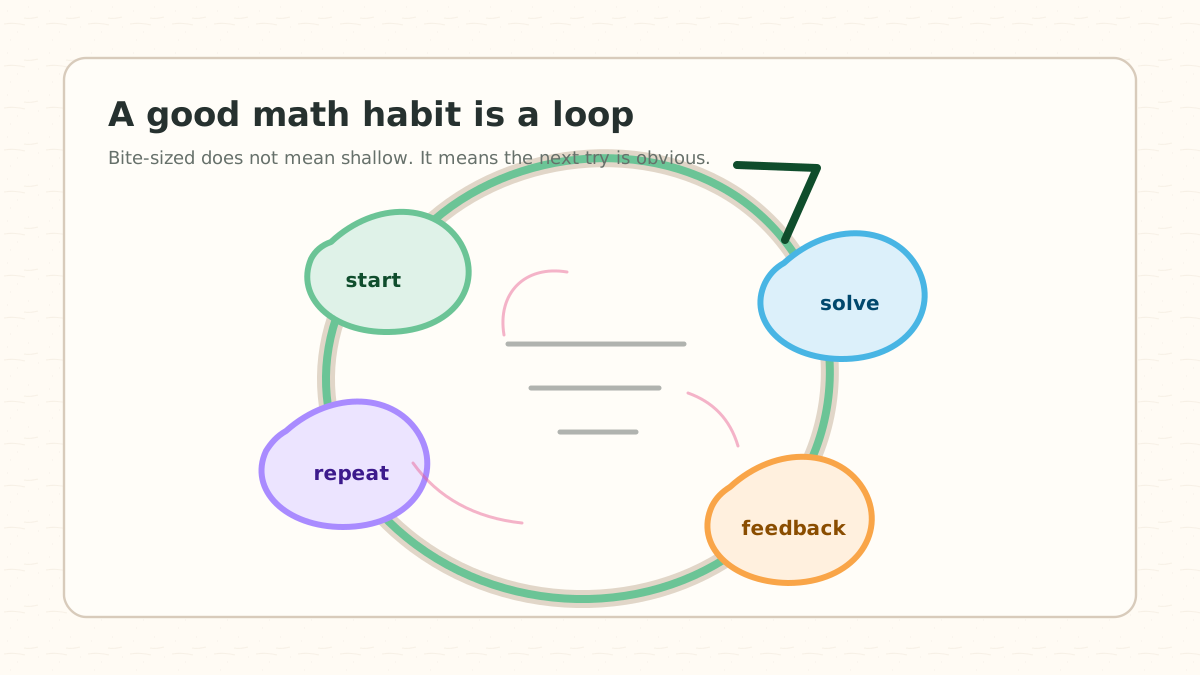
Parents search for a Duolingo-style math app because they want short lessons, a habit loop, and less homework friction.
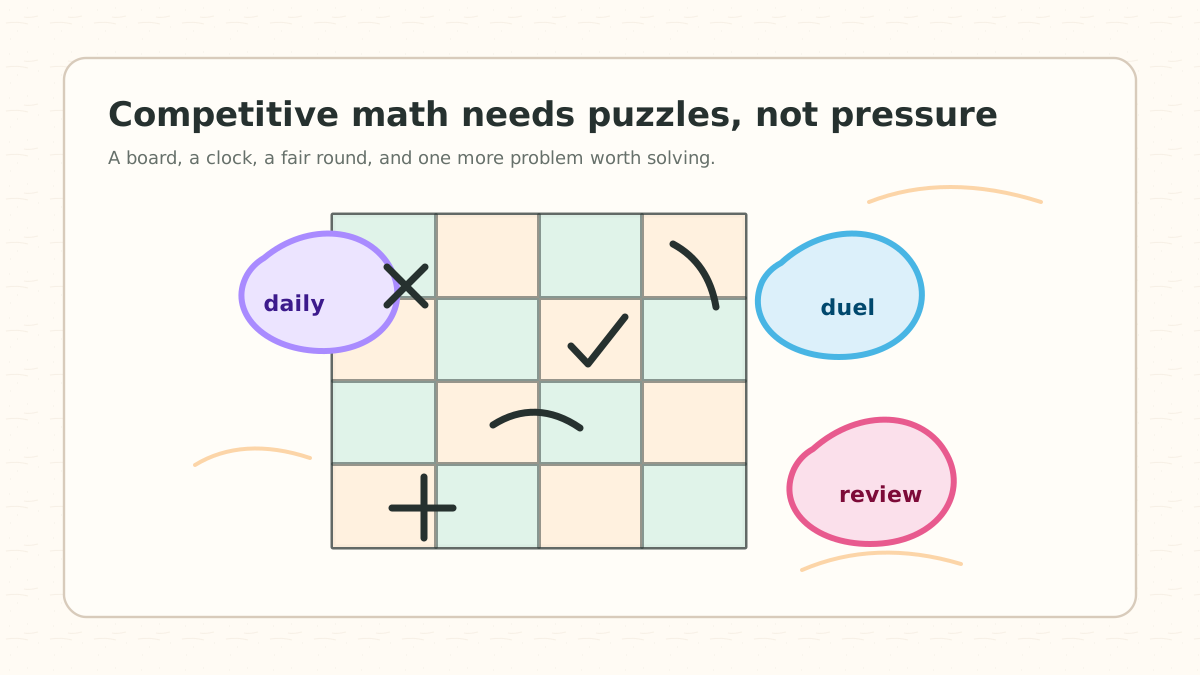
The point is not to copy chess. It is to bring puzzles, fair matches, daily practice, and community energy to math.
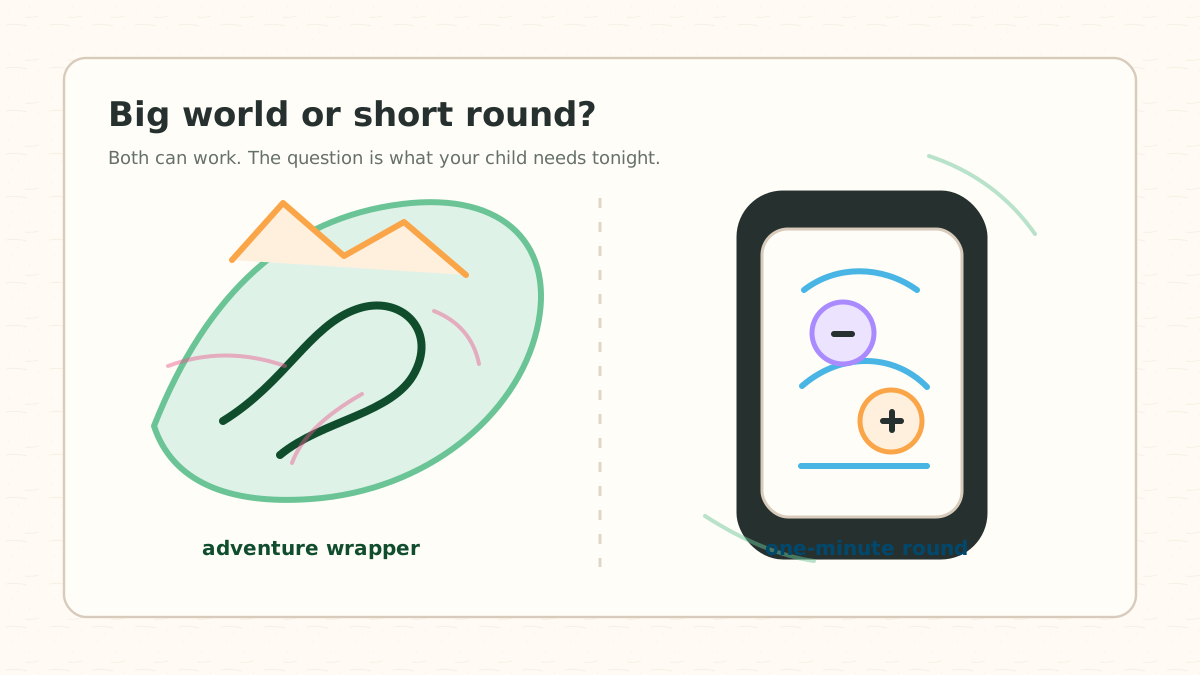
Prodigy is a strong adventure wrapper. Some families want that; others need a faster math game with less world to manage.
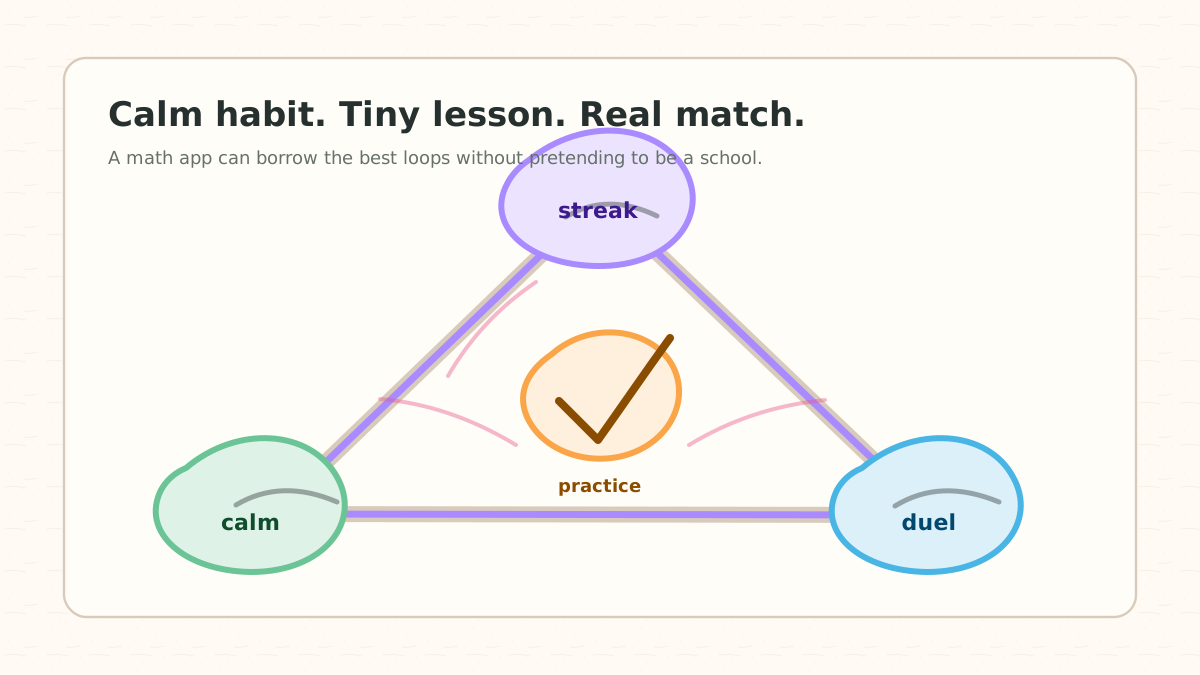
A brand-positioning thought experiment for parents who want math practice to feel calm, habit-forming, and competitive without turning into school.
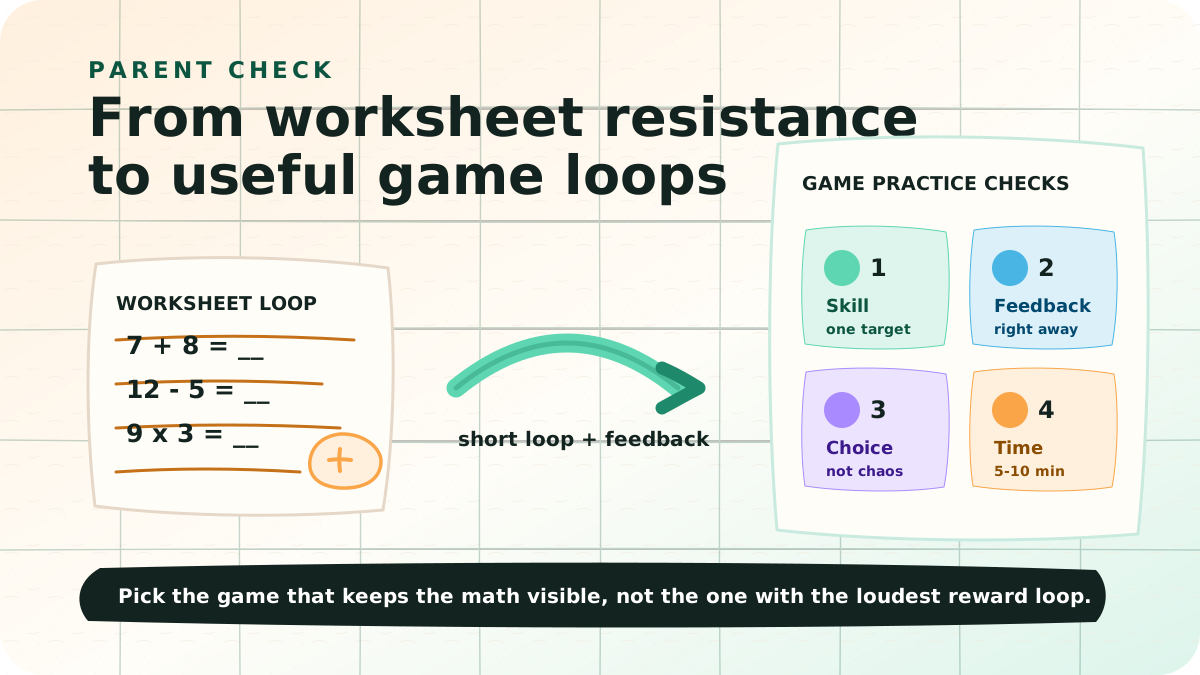
A parent-first guide to choosing math practice that feels like play without turning learning into empty screen time.
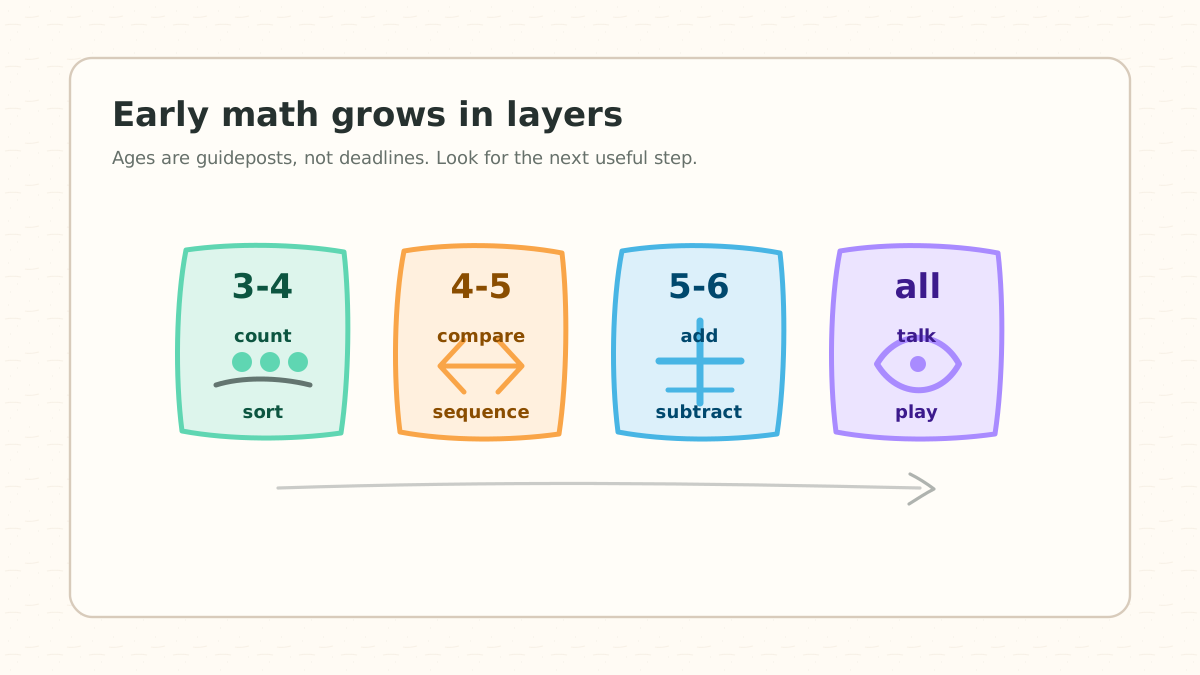
A low-pressure guide to common early math skills from ages 3 to 6, with simple ways to support practice at home.
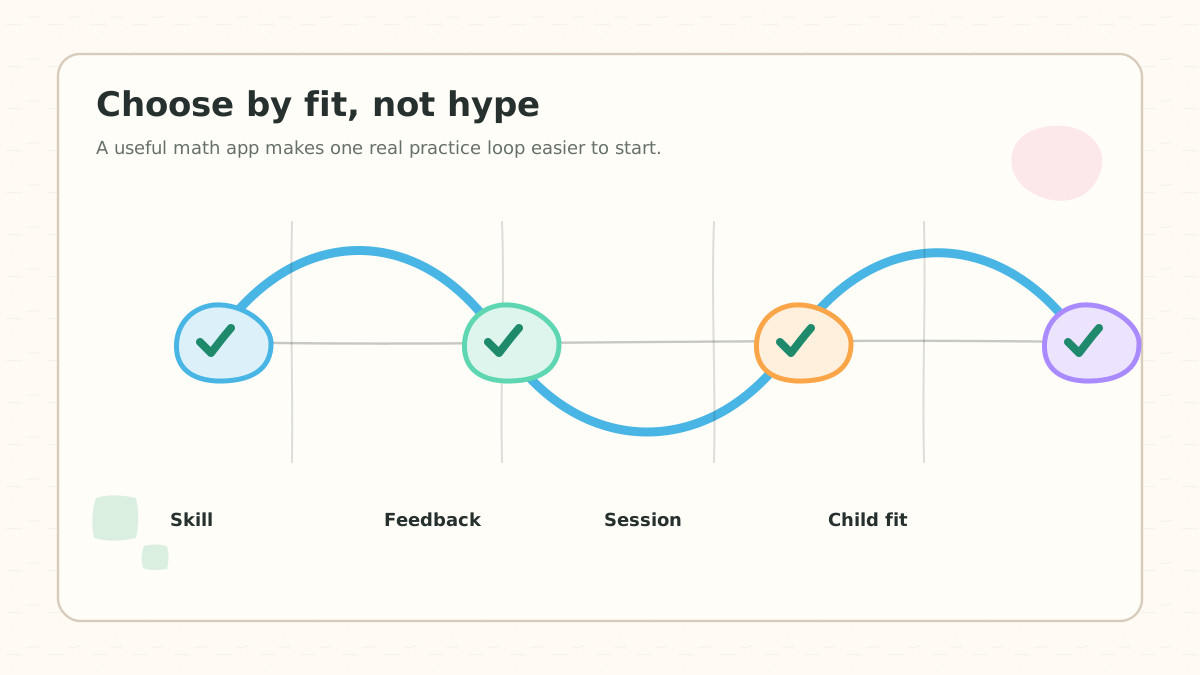
A practical parent checklist for picking a math app that builds real practice without turning learning into empty screen time.
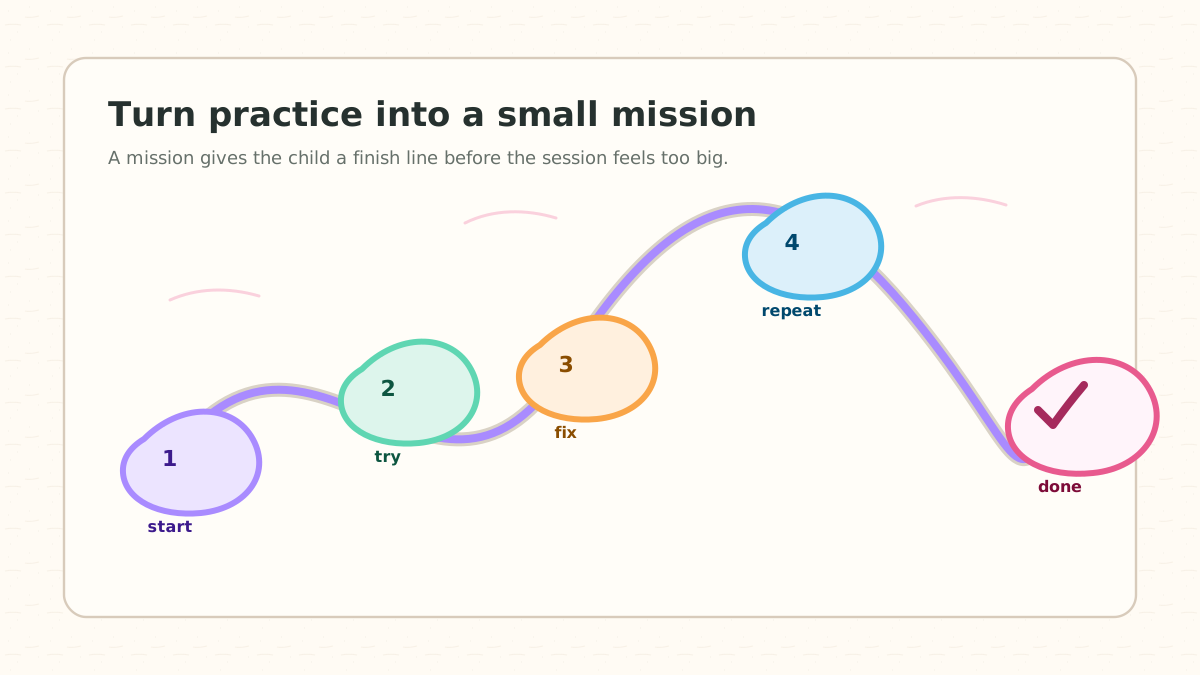
Mission-based practice gives children a small goal, quick feedback, and a real finish line before math starts to feel too big.
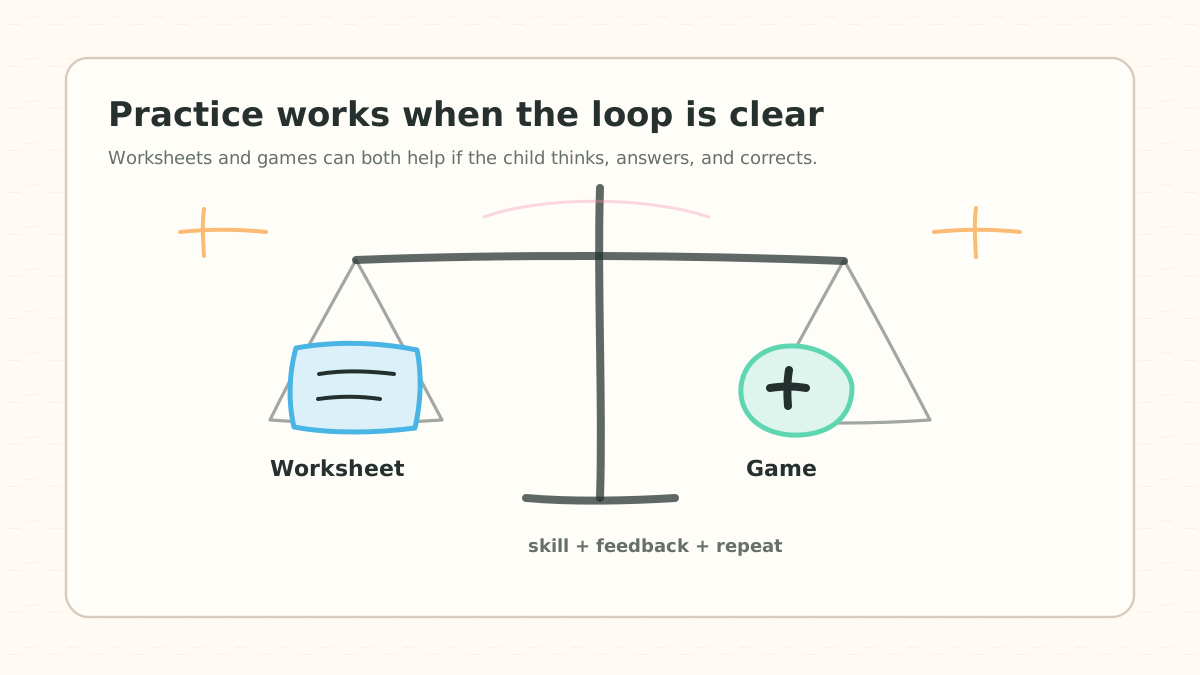
A balanced parent guide to when worksheets help, when games help, and how to combine both without making math feel like a fight.
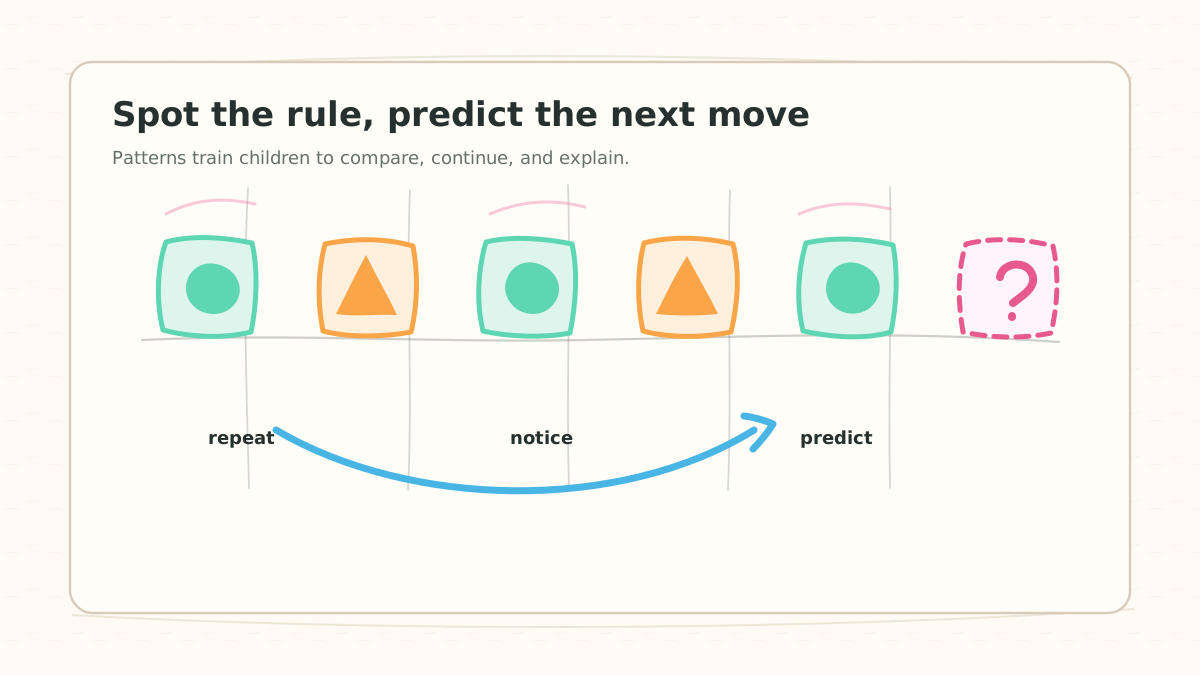
Patterns help children compare, predict, explain, and build the reasoning they later use for counting, operations, and problem solving.